What a treatment day in Seoul actually looks like, hour by hour
Nobody publishes this, because it is not persuasive. It is the thing patients ask us about most: where you wait, what you sign, where your clothes go, and when you are allowed to leave.
The publisher is a registered patient facilitator, paid by clinics when a reader becomes a patient through its agency. How we make money
A clinic website shows you the treatment. It does not show you the ninety minutes on either side of it, which is most of the day and all of the confusion.
Arrival
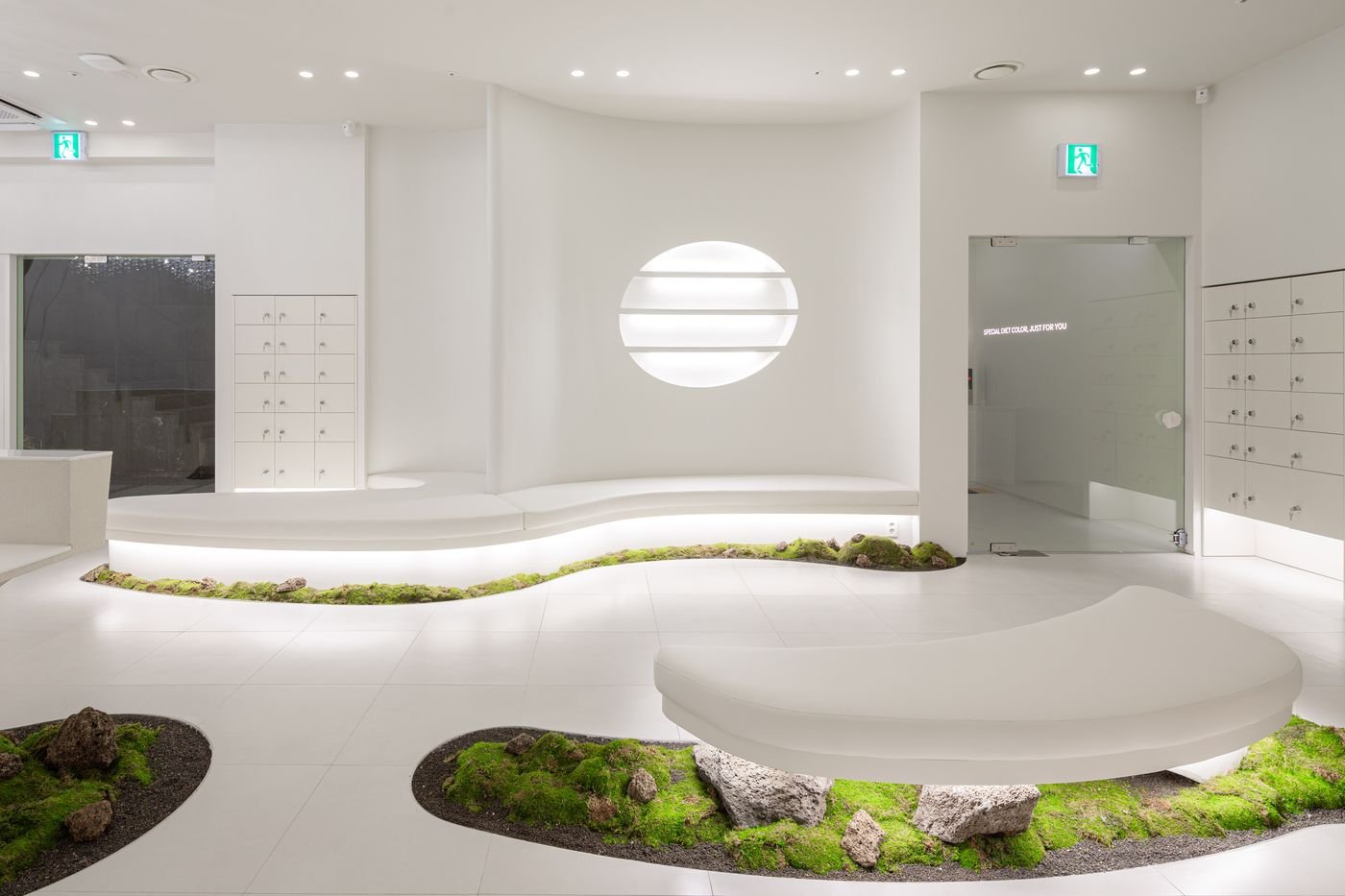
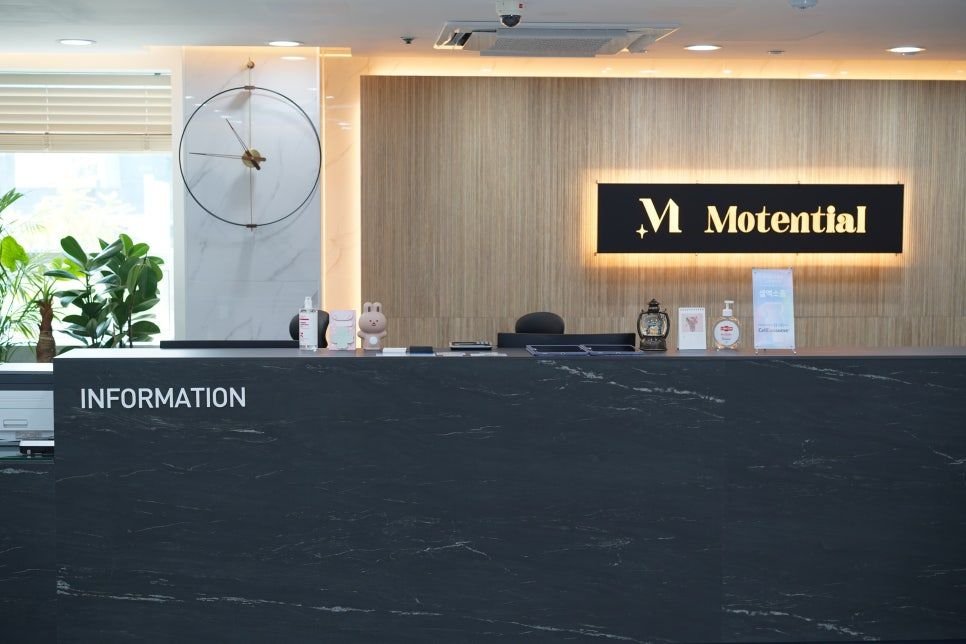
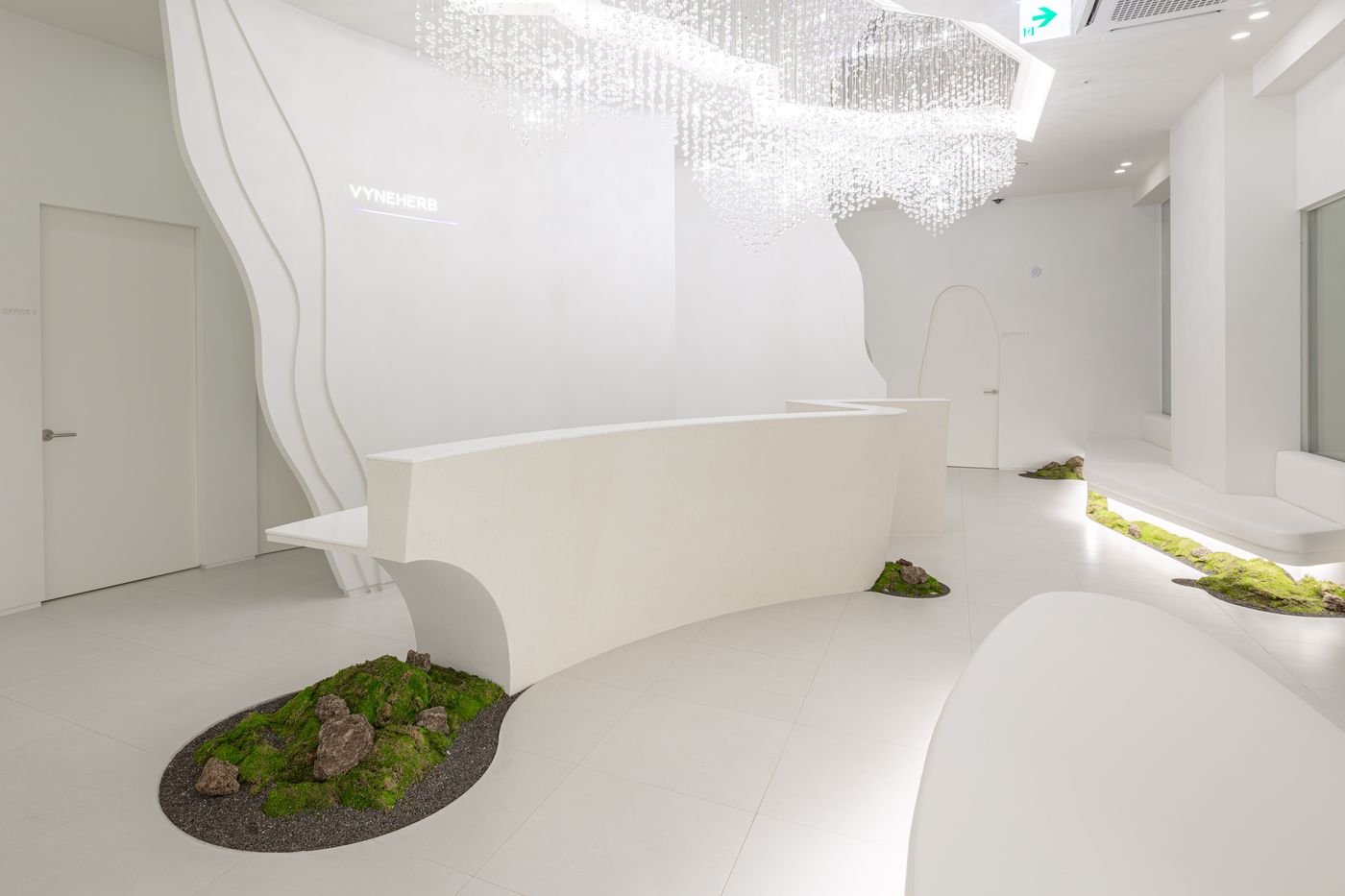
You arrive earlier than you expect to. The entrance hall is where identity and paperwork happen, and where an interpreter, if you have one, either appears or does not.
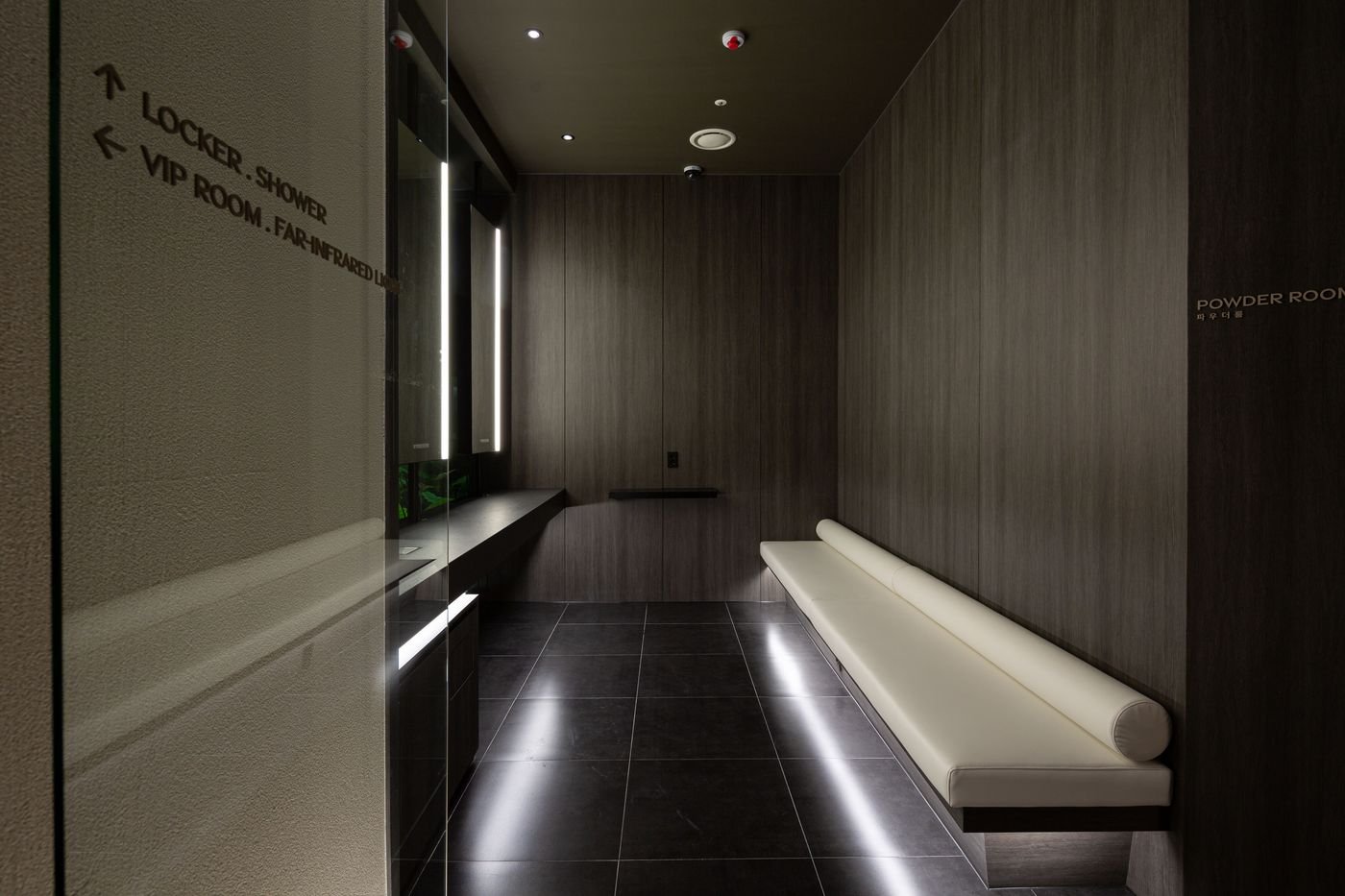
Changing, and where your things go
You will be asked to change. Ask where your passport and phone are kept and who has the key, and ask before you undress rather than after.
The treatment bay
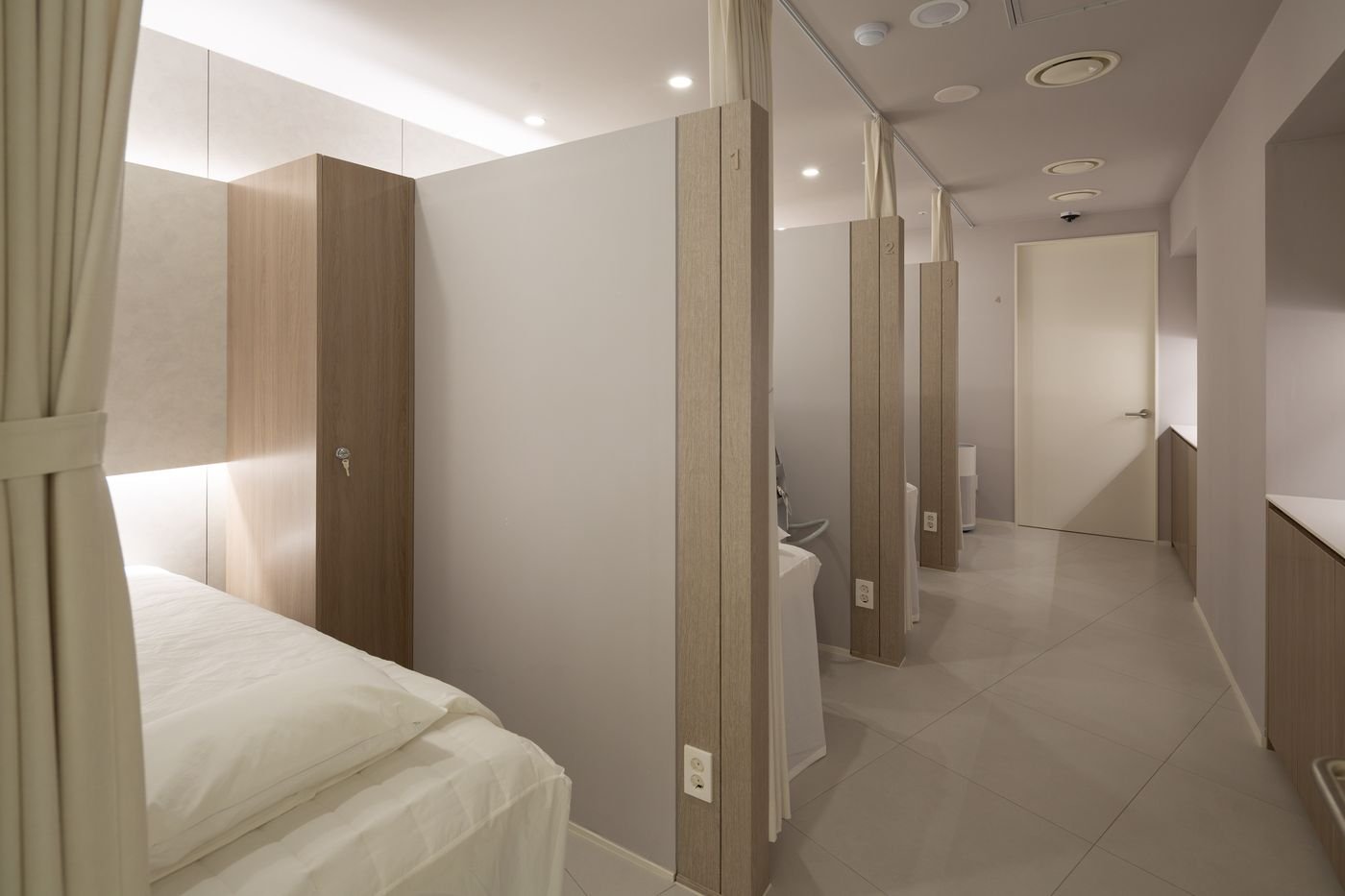
Most non-surgical treatment in Korea happens in a curtained bay rather than a private room. That is normal and not a sign of a lesser clinic, but it does mean the person on the other side of the curtain can hear your consultation, and that you can hear theirs.
Consent, which is the part to slow down for
Consent forms are often the only Korean-language document you will be asked to sign. You are entitled to understand what you are signing. If nobody can explain it in a language you read, that is a reason to stop, not a formality to get past.
This article is information, not medical advice, and reading it does not create a doctor-patient relationship. The Seoul Glow is a registered facilitator: we coordinate care, we do not practise medicine and we do not decide what treatment is right for you. No outcome can be guaranteed by anyone. Discuss any procedure with a licensed physician who has examined you.