Bone graft in four grades, and why the grade is the number that matters
GBR runs from a spoonful of material around a fixture to a vertical rebuild held open by titanium mesh. The clinic grades it A to D, and the grade sets the difficulty, the volume, the healing time and the price.
How it is done here ONE Dental Clinic
The publisher is a registered patient facilitator, paid by clinics when a reader becomes a patient through its agency. How we make money
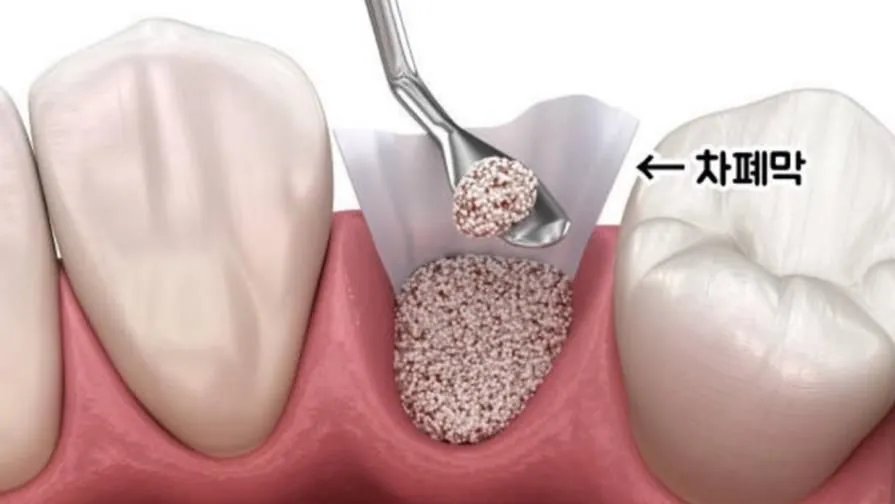
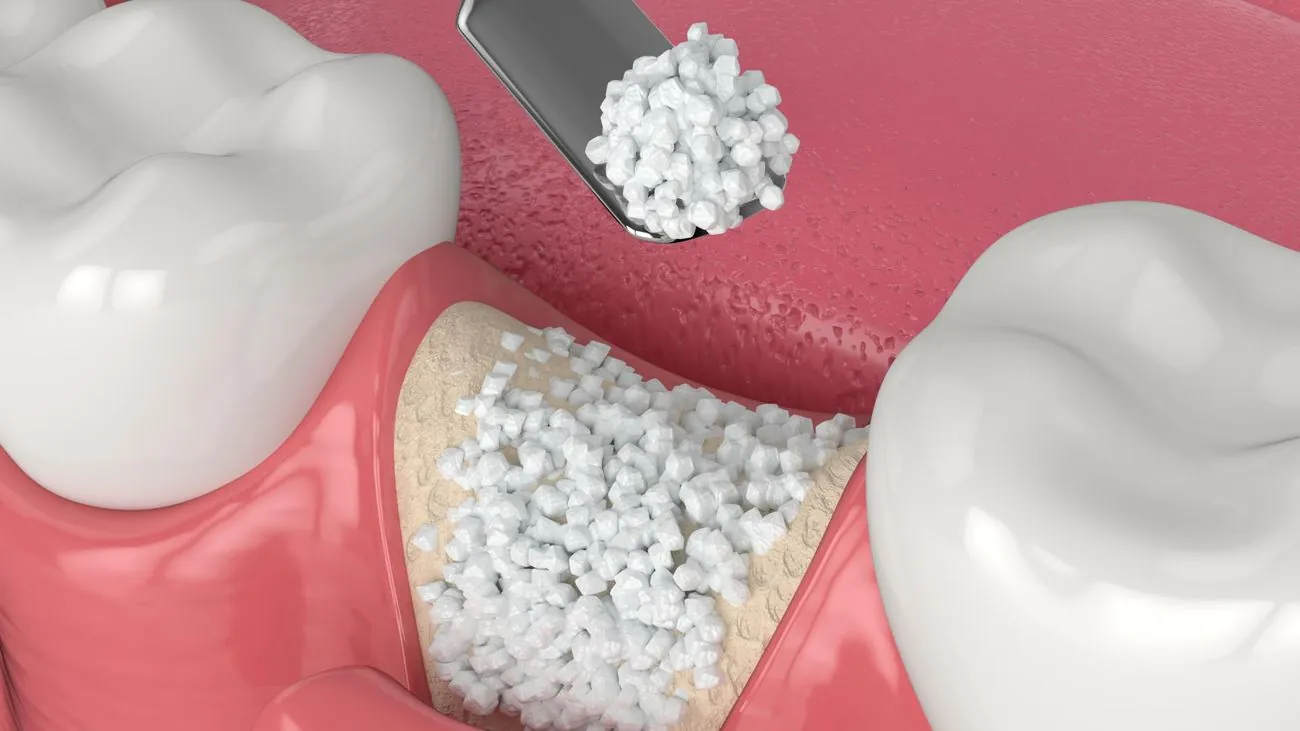
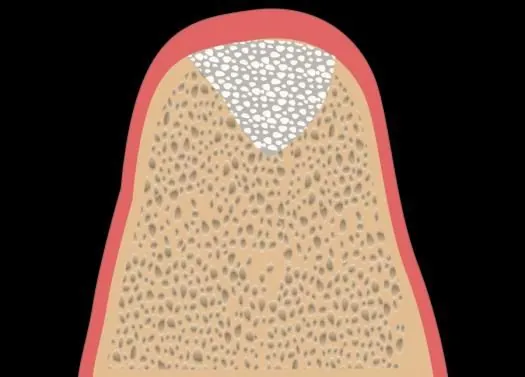
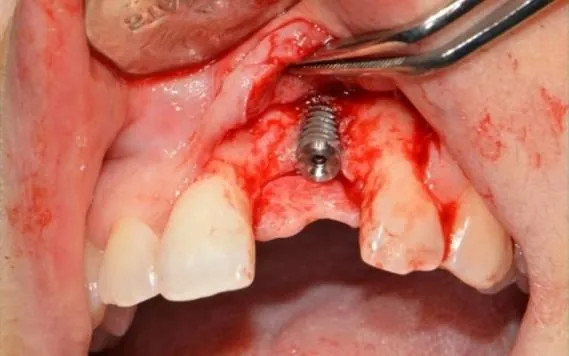
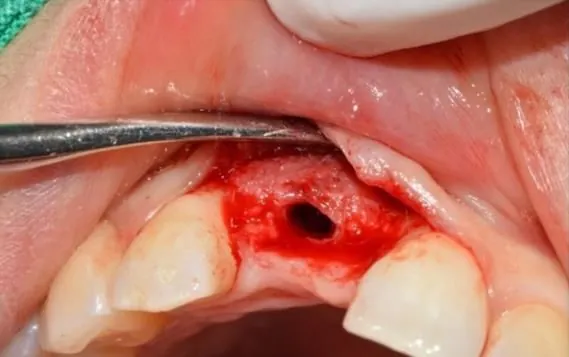
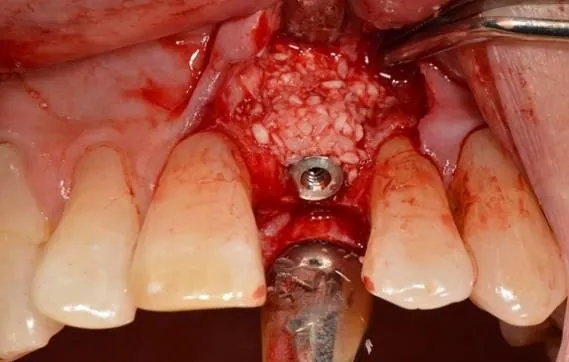
Guided bone regeneration is what happens when there is not enough bone to hold a fixture. Graft material is packed into the deficient area, and over months the body replaces it with its own bone. It is routine, and describing it as routine hides the fact that its difficulty varies by an order of magnitude between the easy version and the hard one.
ONE Dental grades it in four steps, which is unusually explicit and worth borrowing when you compare quotes.
A: simple, moderate difficulty
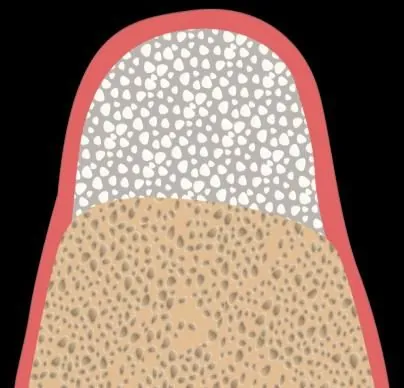
Basic grafting where the bone at the implant site is somewhat deficient. Cell activity is high, the volume of material is small, the distance the new bone has to bridge is small, and the graft site is well protected. Everything is in your favour.
B: complex, moderate difficulty
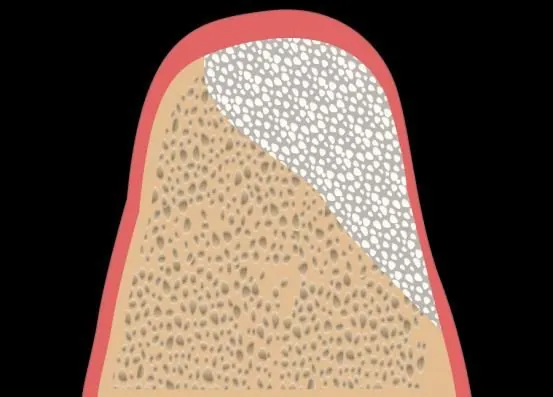
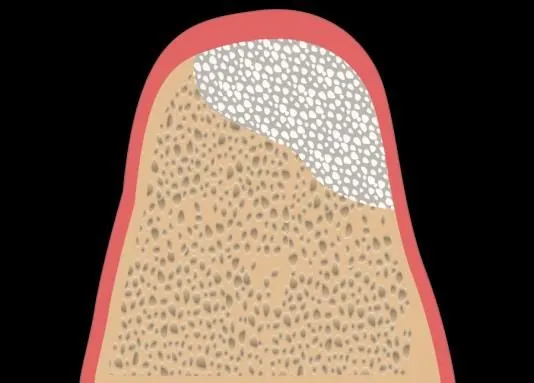
The alveolar bone loss extends to the neighbouring tooth. More material, moderate on every axis, and a membrane becomes likely.
C: complex, high difficulty
Extensive alveolar damage. Cell activity is low, the volume of material is large, and the graft site is poorly protected. A membrane is likely.
D: complex, highest difficulty
Both horizontal width and vertical height have to be increased. The clinic’s own description is worth quoting in substance: graft material placed in a vertical defect struggles to hold its space and to get a blood supply, and after a wide vertical augmentation the soft tissue handling is itself complicated. This is the grade that uses titanium mesh, and it is the grade where the surgeon on staff matters.
- A
- Simple. Small volume. Site protected. Bone deficient at the implant site only.
- B
- Complex. Moderate volume. Damage reaches the neighbouring tooth. Membrane likely.
- C
- Complex, high. Large volume, low cell activity, poorly protected site. Membrane likely.
- D
- Complex, highest. Horizontal plus vertical augmentation. Titanium mesh.
- What sets the grade
- Your CT scan, before anything is opened.
Clinical photographs
This article is information, not medical advice, and reading it does not create a doctor-patient relationship. The Seoul Glow is a registered facilitator: we coordinate care, we do not practise medicine and we do not decide what treatment is right for you. No outcome can be guaranteed by anyone. Discuss any procedure with a licensed physician who has examined you.