A dental implant is three separate objects, and almost every problem is with one of them
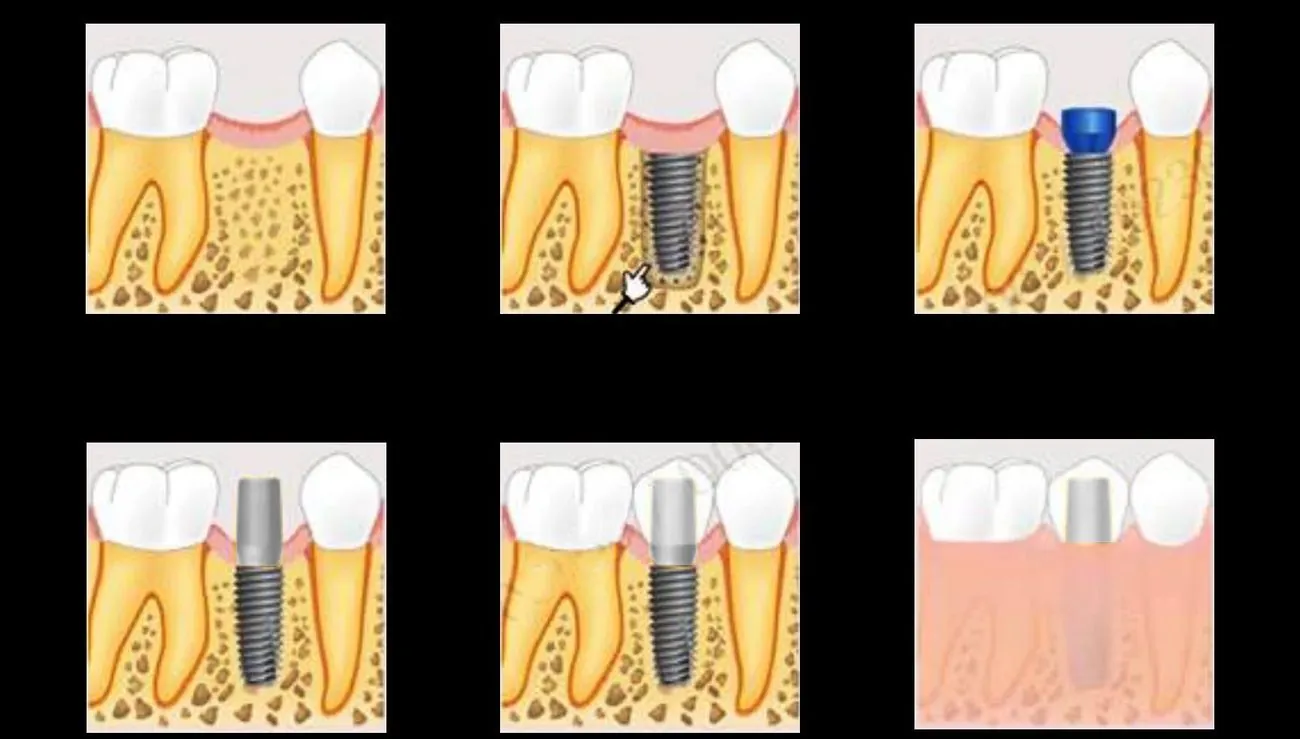
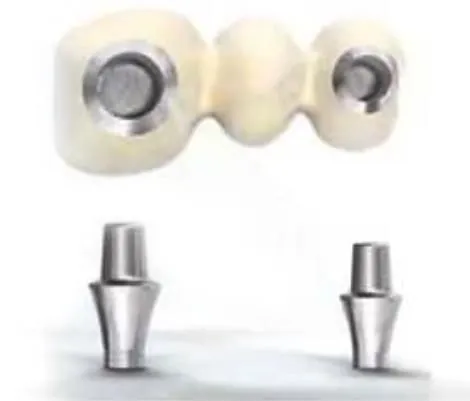
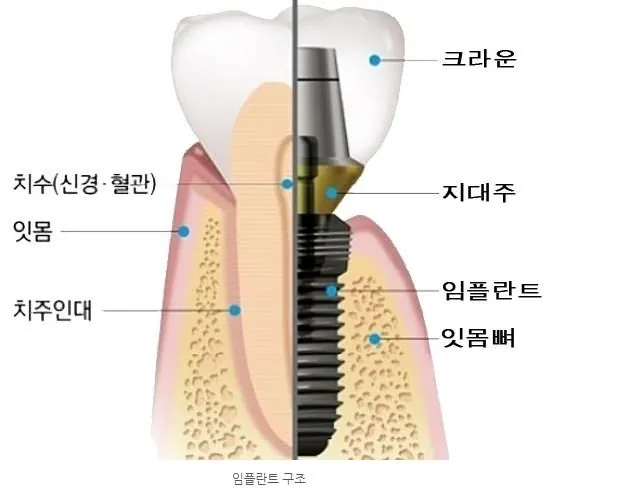
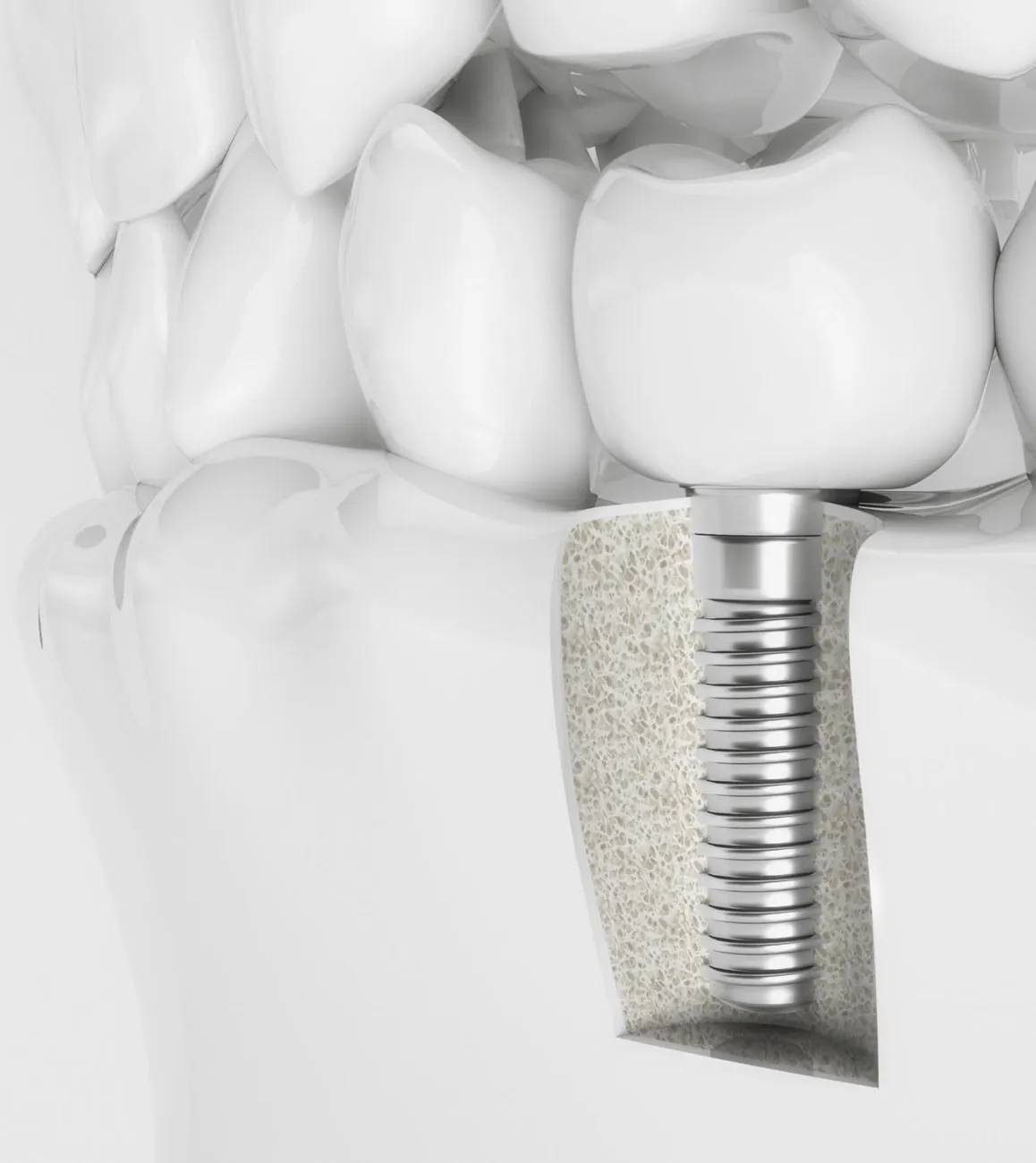
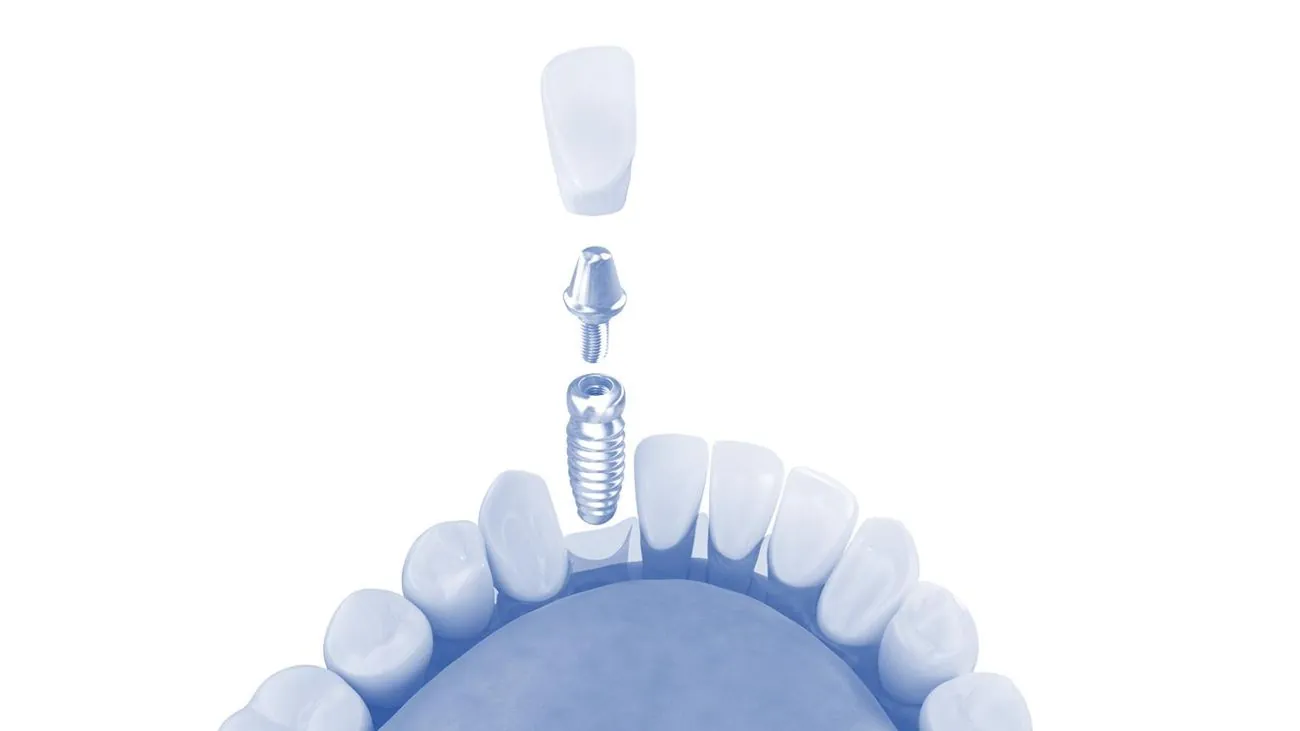
The fixture goes in the bone, the abutment comes through the gum, the crown sits on top. Quotes are given for "an implant" as though it were one thing, which is how the difference between a good one and a cheap one disappears.
How it is done here ONE Dental Clinic
The publisher is a registered patient facilitator, paid by clinics when a reader becomes a patient through its agency. How we make money
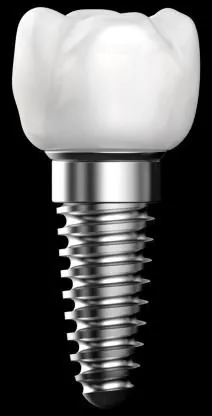
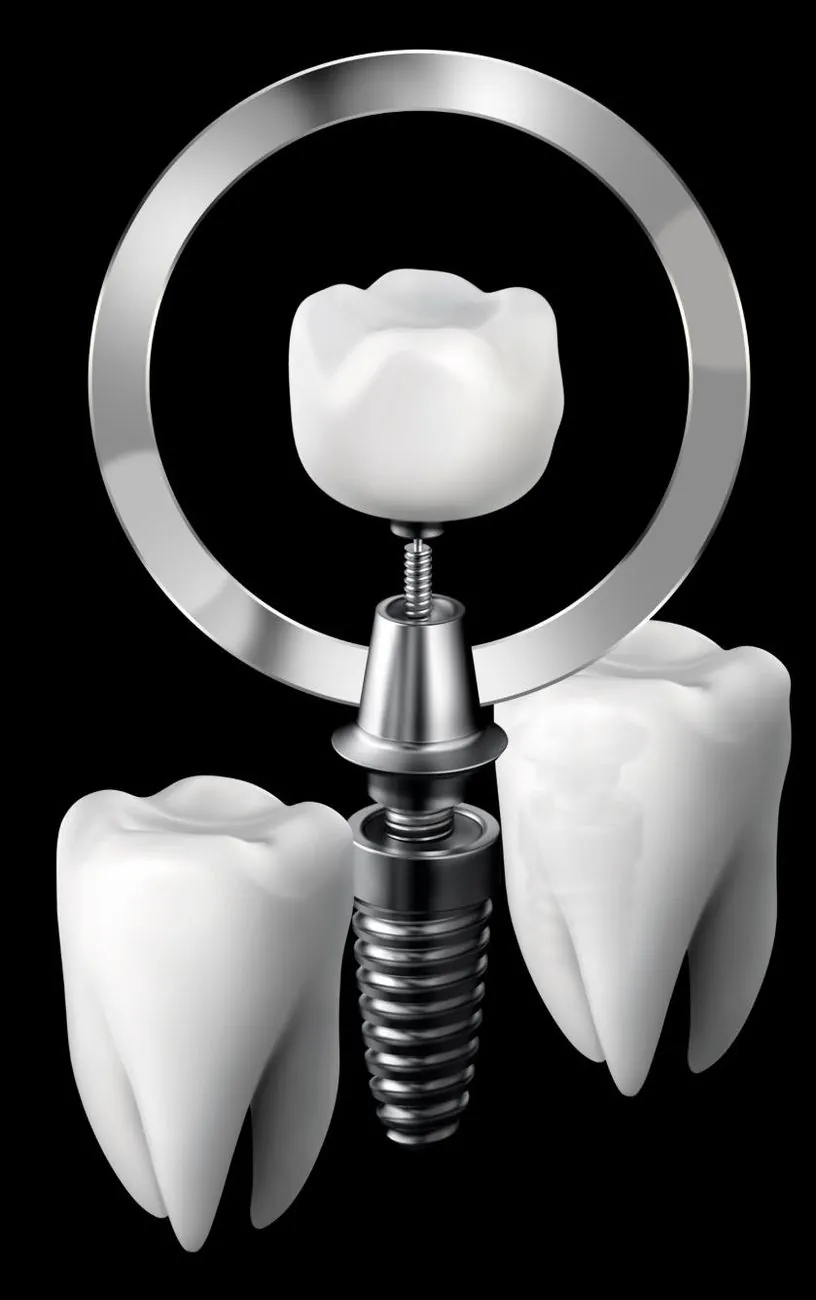
An implant replaces a tooth in three parts, made by different processes, at different costs, and failing in different ways.
The fixture is a titanium screw placed in the jawbone. It does the job a root did: it holds. It succeeds or fails on whether bone grows tight against its surface, a process called osseointegration, and that is why so much of what follows is about bone rather than about teeth.
The abutment is the post that screws into the fixture and comes up through the gum. It is the only part of an implant that touches gum tissue permanently, so it is the part that decides whether the gum stays healthy or slowly inflames. It has its own page here, because stock and custom abutments are not the same object.
The crown is the tooth you see. It is the part everyone photographs and the least interesting of the three, because a crown can be remade in a fortnight and a failed fixture takes months and a graft.
Why the bone comes first
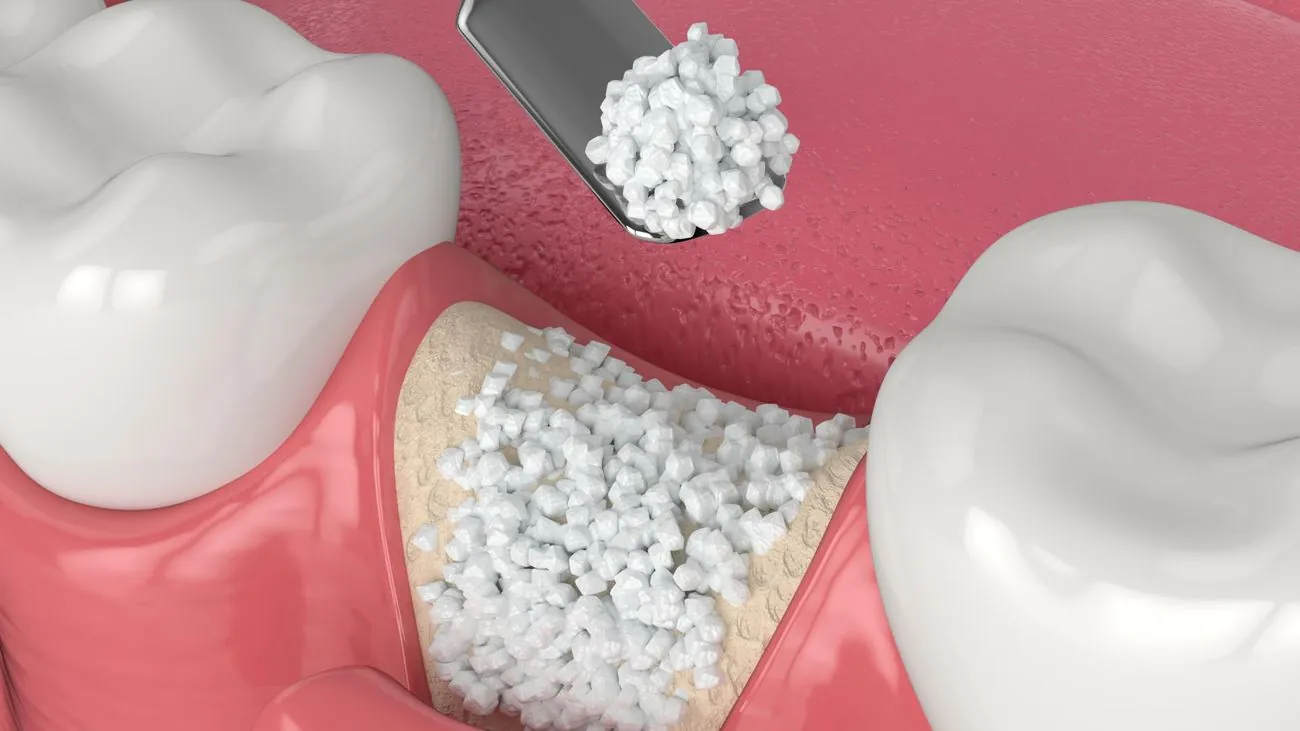
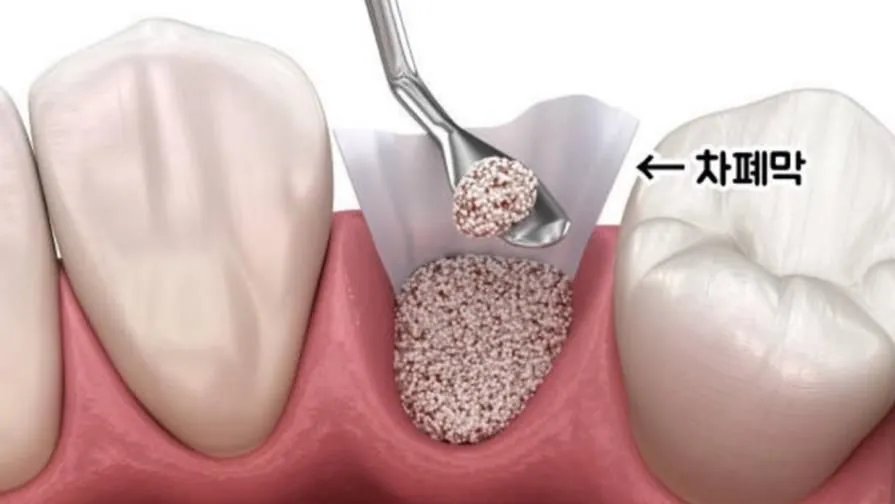
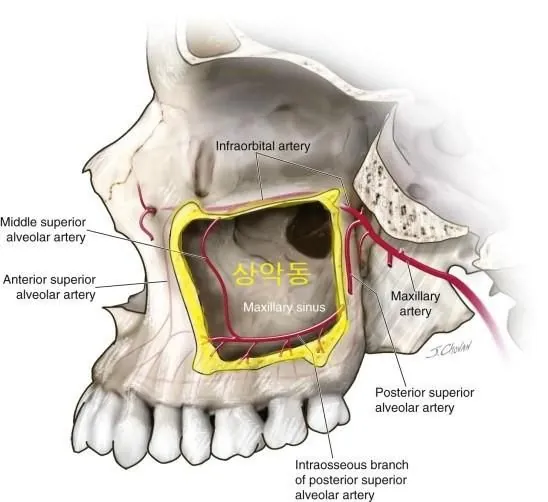
A fixture needs bone around it in every direction. When a tooth has been missing for a while, the bone that held it resorbs, and there may not be enough left to hold anything. This is the single most common reason an implant plan turns out to be longer and more expensive than the first quote suggested, and it is visible on a CT scan on day one. Anyone who quotes you for implants without having looked at a three-dimensional scan of your jaw is quoting for a case they have not seen.
Where ONE Dental sits
The clinic keeps four implant systems rather than one, and grades bone grafting into four difficulties rather than declining the hard ones. The practical consequence for a foreign patient is narrow but real: a case that a smaller clinic would refer onwards is treated in the building, which matters when you are on a return flight.
- Fixture
- Titanium, in the bone. Months to integrate.
- Abutment
- The post through the gum. Stock or custom.
- Crown
- The visible tooth. Zirconia, ceramic or metal-ceramic.
- Held together by
- A screw, reached through a hole in the biting surface of most crowns.
- Imaging needed first
- 3D CT. Not a two-dimensional X-ray.
Clinical photographs
The clinic supplied before-and-after photographs of this procedure. We do not publish them. Korean law prohibits before-and-after comparison images in medical advertising, and as a registered patient facilitator we are not an eligible medical advertiser at all, so a page of results here would be an offence before it was ever a persuasion. Ask the clinic to show you theirs, in the room, alongside the cases that did not go well.
This article is information, not medical advice, and reading it does not create a doctor-patient relationship. The Seoul Glow is a registered facilitator: we coordinate care, we do not practise medicine and we do not decide what treatment is right for you. No outcome can be guaranteed by anyone. Discuss any procedure with a licensed physician who has examined you.