Guided implant surgery: a printed template, and a much smaller cut
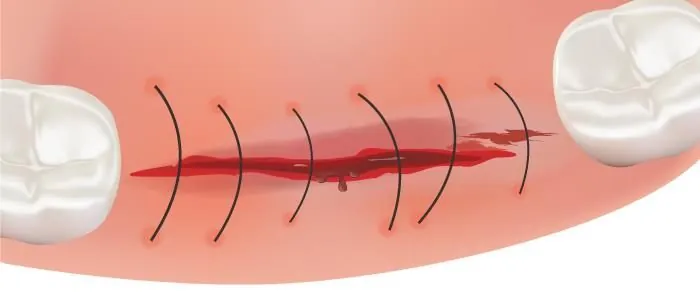
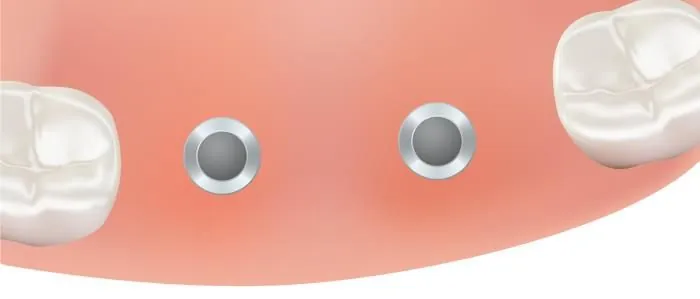
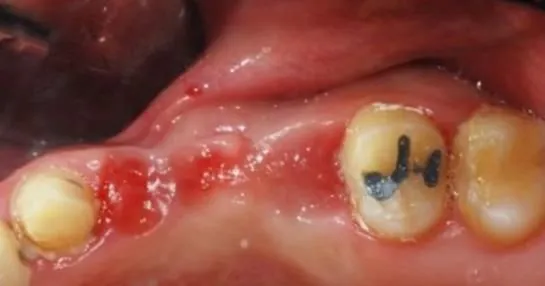
The operation is simulated on a 3D scan first and a guide is printed to hold the drill on the planned path. The claim is a minimal incision instead of a laid-open flap, and the photographs make the difference obvious.
How it is done here ONE Dental Clinic
The publisher is a registered patient facilitator, paid by clinics when a reader becomes a patient through its agency. How we make money
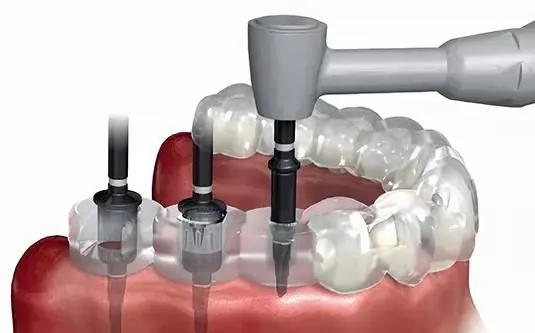
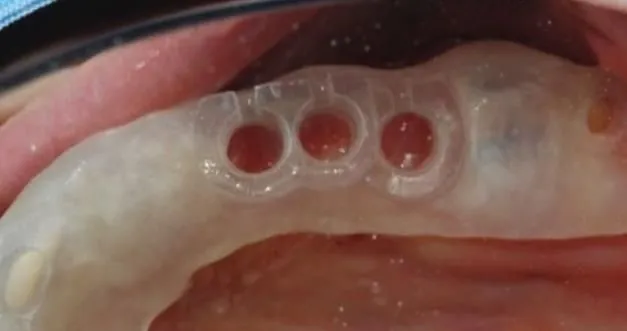
Conventional implant surgery opens the gum to see the bone. Guided surgery, which the clinic calls navigation implant, plans the operation in three dimensions beforehand and then prints a template that constrains the drill to the planned position, so the gum only has to be opened where the fixture is going.
How it is done
The clinic’s sequence is four steps: a digital intraoral scan to establish the optimal placement position, a 3D-printed digital guide, painless anaesthesia and positioning of the tooth site using that guide, and finally placement with the implant drill running through the guide’s sleeve. A 3D CT is taken before all of it, and the simulated surgery is planned on that scan.
What changes
The clinic’s stated comparison with conventional placement is a minimal incision instead of a gum flap, almost no bleeding instead of a lot, minimised pain and swelling with reduced risk of inflammation and infection, an average shortening of the treatment period against a conventional minimum of three to six months, and an immediate return to daily life against one to two weeks of rest.
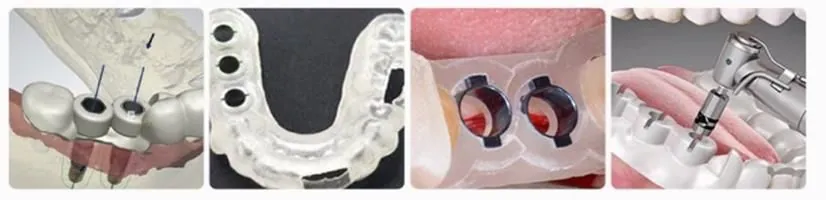
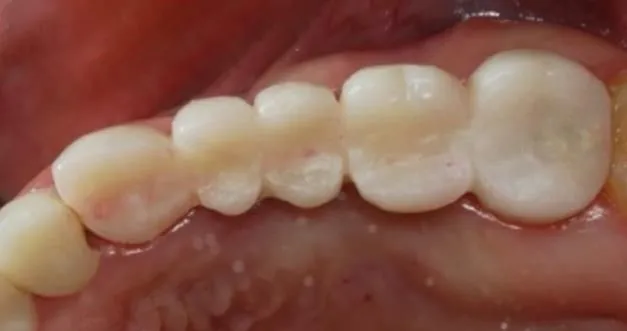
The two photographs of a sutured flap next to a flapless site are the honest version of that claim, and they are on this page unedited.
Who it is offered to
The clinic recommends it for patients with systemic conditions such as high blood pressure and diabetes, patients who want faster surgery, patients who are frightened of implant surgery, patients needing same-day or full-arch treatment, and patients who have lost many teeth.
- Incision
- Minimal, against a gum flap.
- Bleeding
- Almost none, against a lot.
- Pain and infection
- Minimised, against pain and swelling with higher infection risk.
- Treatment period
- Shortened on average, against a minimum of three to six months.
- Recovery
- Straight back to daily life, against one to two weeks of rest.
- Requires
- 3D CT, intraoral scan, and a printed guide.
Clinical photographs
This article is information, not medical advice, and reading it does not create a doctor-patient relationship. The Seoul Glow is a registered facilitator: we coordinate care, we do not practise medicine and we do not decide what treatment is right for you. No outcome can be guaranteed by anyone. Discuss any procedure with a licensed physician who has examined you.