Short and mini implants: for the cases a standard fixture will not fit
One is shorter than standard, for where the nerve canal is close. The other is narrower, for where the ridge is thin. Both exist to avoid a bigger operation, and both have real trade-offs.
How it is done here ONE Dental Clinic
The publisher is a registered patient facilitator, paid by clinics when a reader becomes a patient through its agency. How we make money
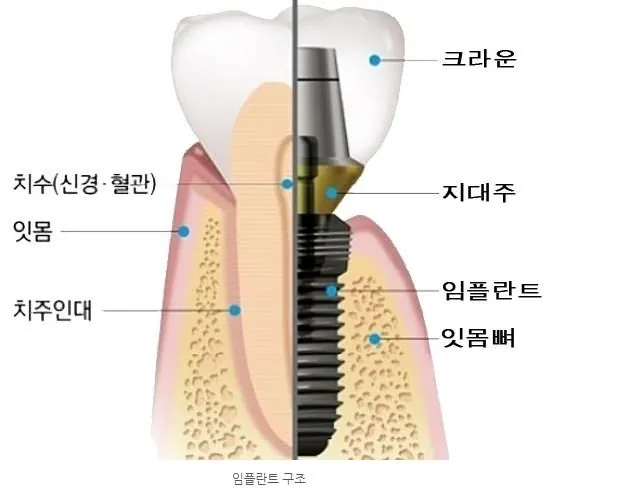
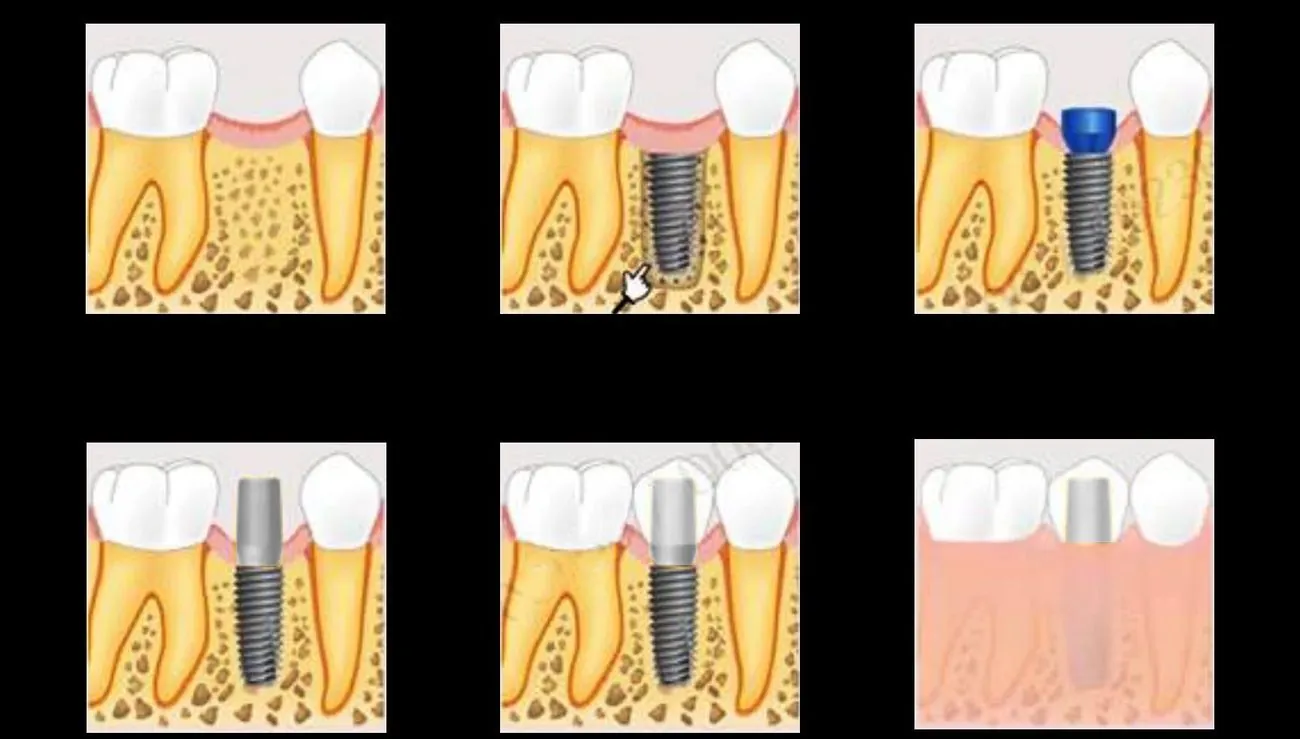
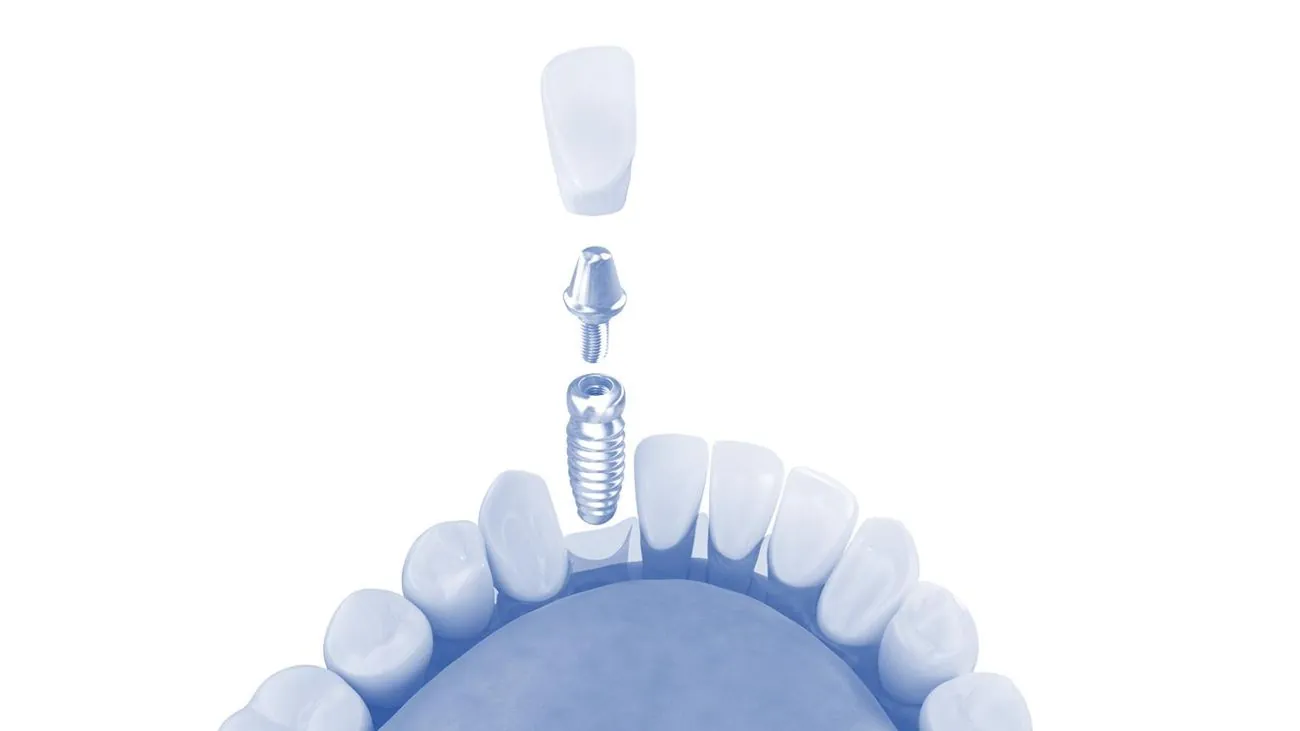
A standard fixture needs a certain height of bone above the nerve and a certain width of bone around it. Two variants exist for when you have neither, and knowing they exist changes the conversation about grafting.
Short implants
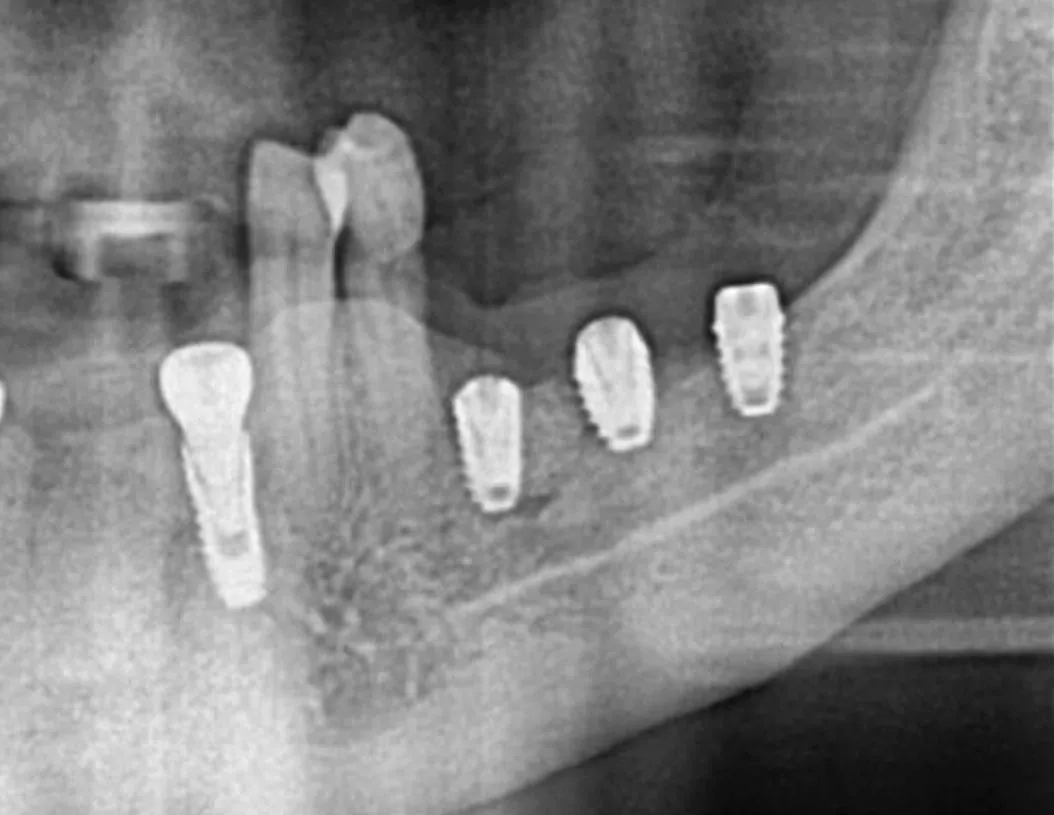
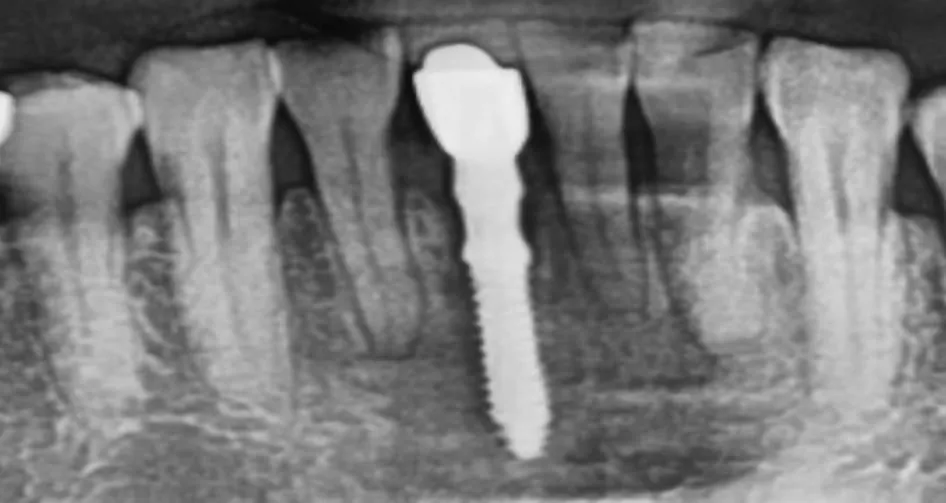
In the lower jaw the inferior alveolar nerve runs through a canal, and a fixture must not reach it. Where the bone above the canal is shallow, a shorter fixture, in this clinic a DIO VUV short, can be placed within the available height. The radiograph on this page has the nerve line marked, which is worth looking at: it is why this variant exists.
Mini implants
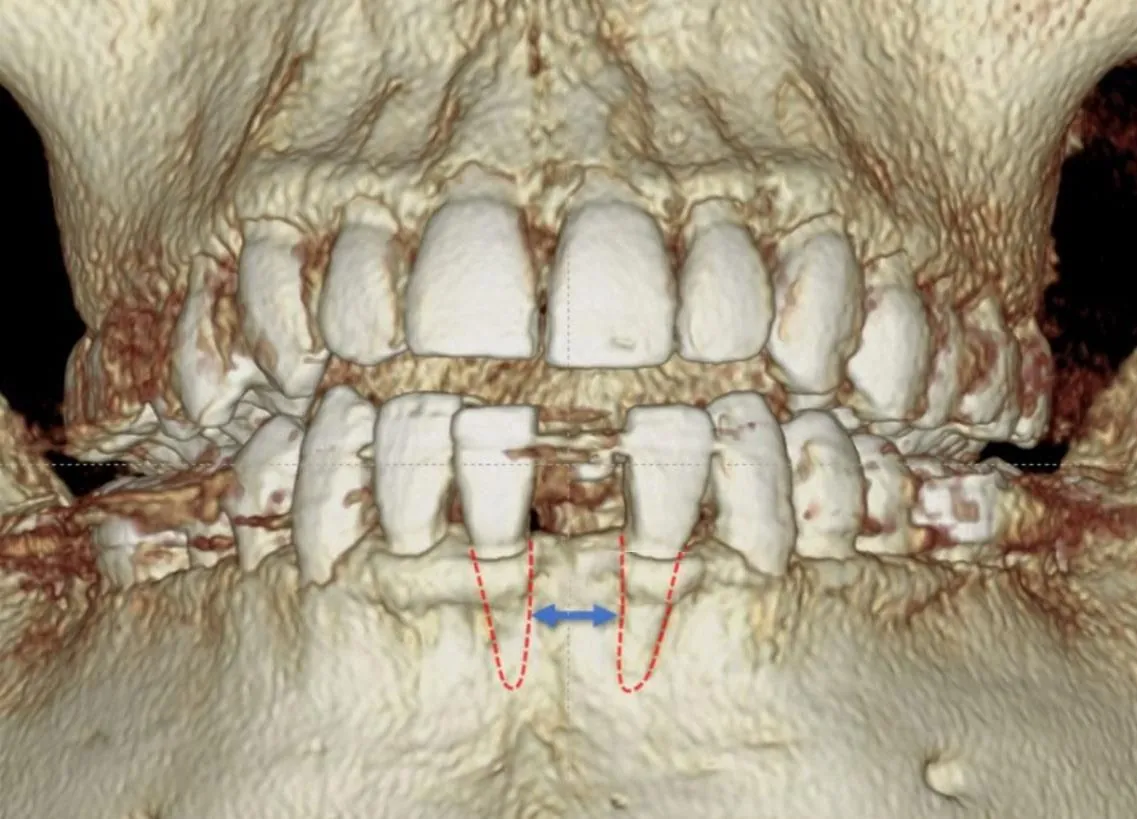
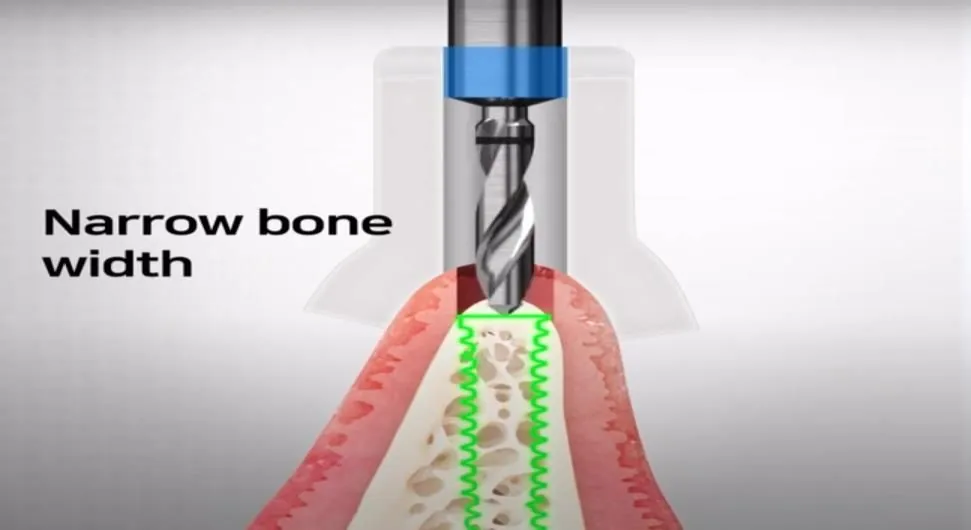
Where the ridge is narrow rather than shallow, a narrower fixture, here an Osstem MS mini, can be placed in bone that would not accept a standard diameter. The scan on this page shows a ridge measured at 5.0 millimetres.
Why this matters to your quote
The alternative to a short implant is often a sinus lift, and the alternative to a mini implant is often a horizontal graft. Both alternatives are longer, more expensive and carry more risk. It is entirely reasonable to ask whether a variant fixture would let you avoid the bigger operation, and equally reasonable for the surgeon to say no with a reason.
- Short implant
- For shallow bone above the nerve canal. Product held: DIO VUV short.
- Mini implant
- For a narrow ridge. Product held: Osstem MS mini.
- Narrow ridge example
- The clinic’s own scan shows 5.0mm.
- The alternative they may avoid
- A sinus lift, or a horizontal bone graft.
- Decided by
- Your CT.
Clinical photographs
This article is information, not medical advice, and reading it does not create a doctor-patient relationship. The Seoul Glow is a registered facilitator: we coordinate care, we do not practise medicine and we do not decide what treatment is right for you. No outcome can be guaranteed by anyone. Discuss any procedure with a licensed physician who has examined you.