Overdenture: a denture that is held down by implants
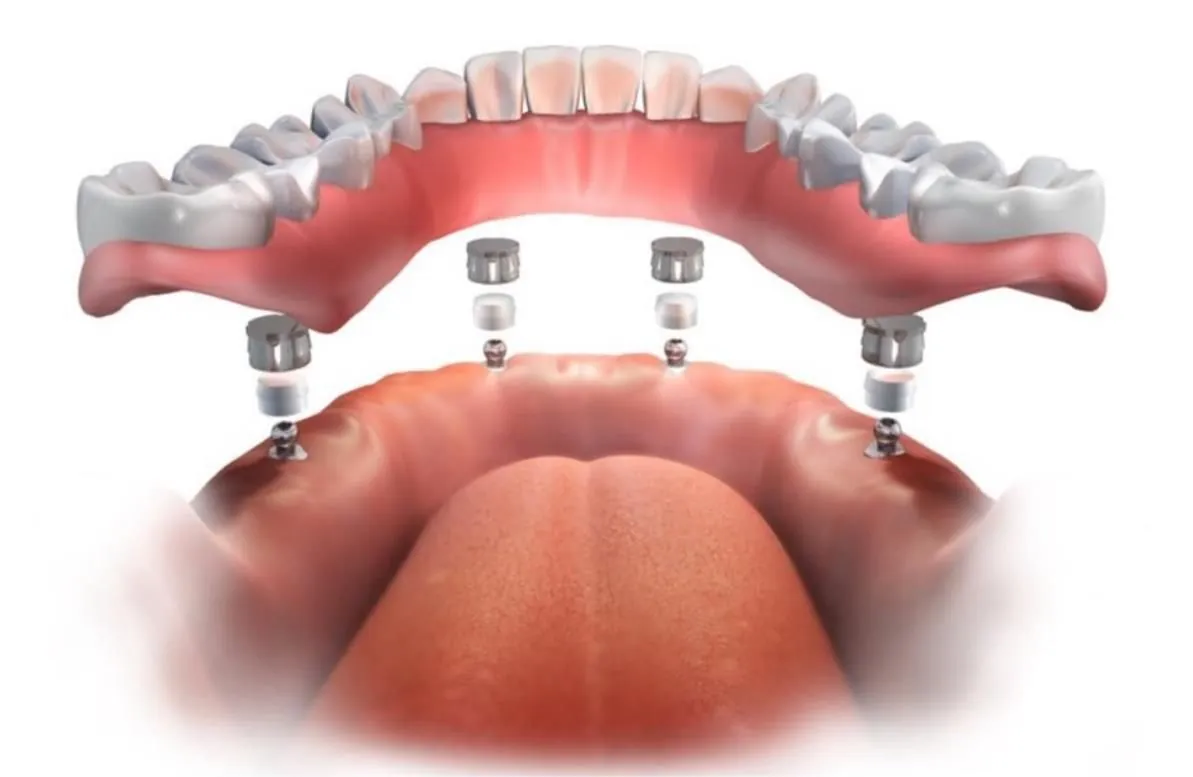
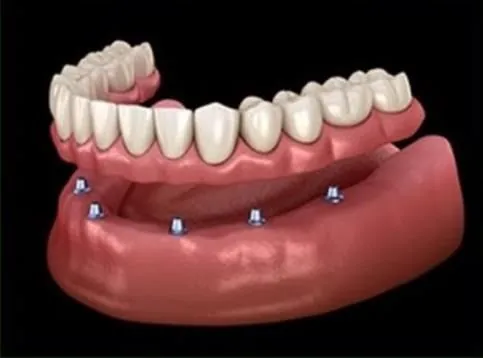
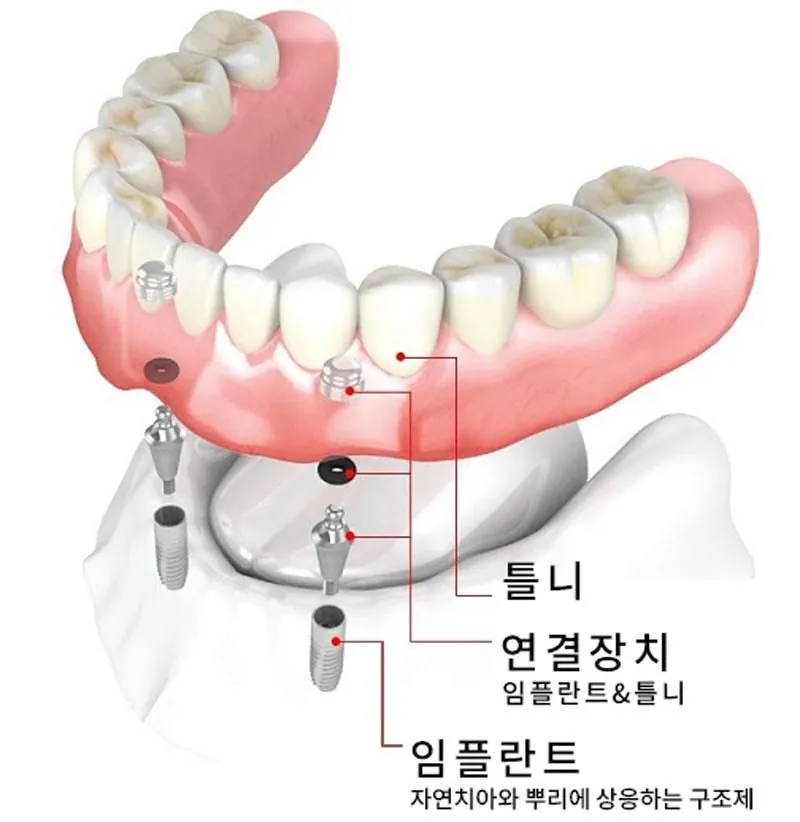
Two to four fixtures, an attachment on each, and a denture that clips onto them. It still comes out at night, and it stops moving when you eat.
How it is done here ONE Dental Clinic
The publisher is a registered patient facilitator, paid by clinics when a reader becomes a patient through its agency. How we make money
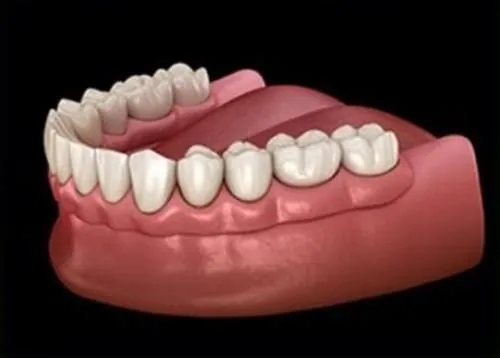
A conventional full denture rests on gum and is held by suction and by the shape of the ridge. It moves. An overdenture is the same removable appliance anchored to a small number of implants, which is a different experience of eating.
How it works
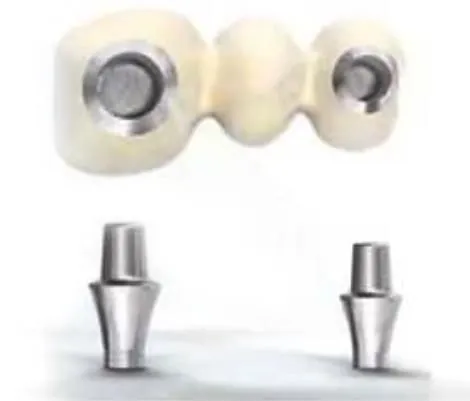
The clinic places two to four fixtures. An attachment sits on each one, and matching attachments are built into the fitting surface of the denture. It clicks on, it stays on while you chew, and it comes off in your hand for cleaning.
What it is for
It is for people who have lost all or most of the teeth in an arch and for whom a full set of individual implants is not appropriate, whether because of bone, health or cost. It is a very large improvement over a denture that moves, and it is not the same thing as a fixed full-arch bridge.
- Fixtures
- Two to four per arch.
- Removable
- Yes. It comes out for cleaning and at night.
- Held by
- Attachments on the fixtures, not by suction alone.
- Compared with a full denture
- It does not move while you eat.
- Compared with fixed full-arch
- Fewer fixtures, lower cost, still removable.
Clinical photographs
This article is information, not medical advice, and reading it does not create a doctor-patient relationship. The Seoul Glow is a registered facilitator: we coordinate care, we do not practise medicine and we do not decide what treatment is right for you. No outcome can be guaranteed by anyone. Discuss any procedure with a licensed physician who has examined you.