Front-tooth implants, and the tooth you wear in the months between
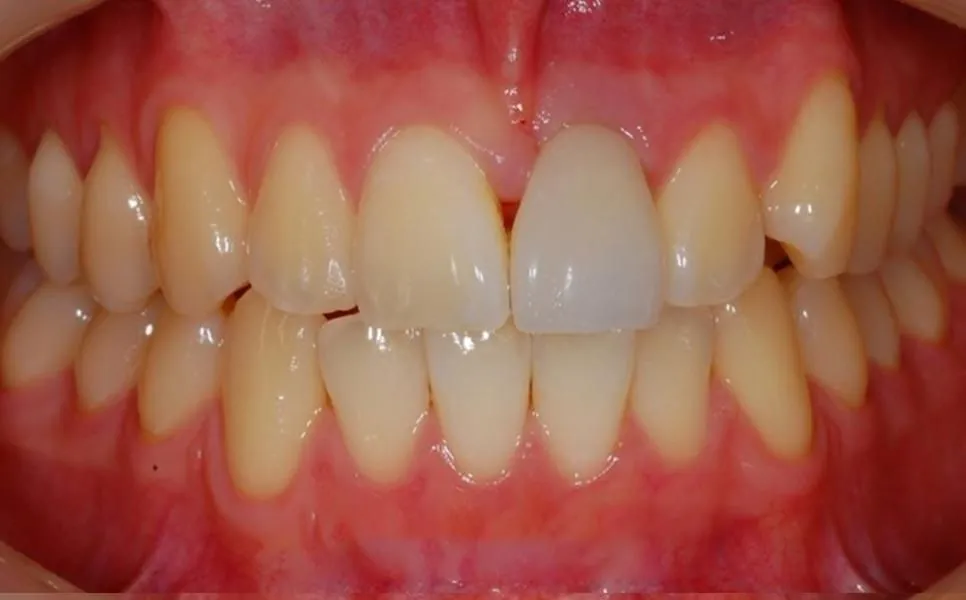
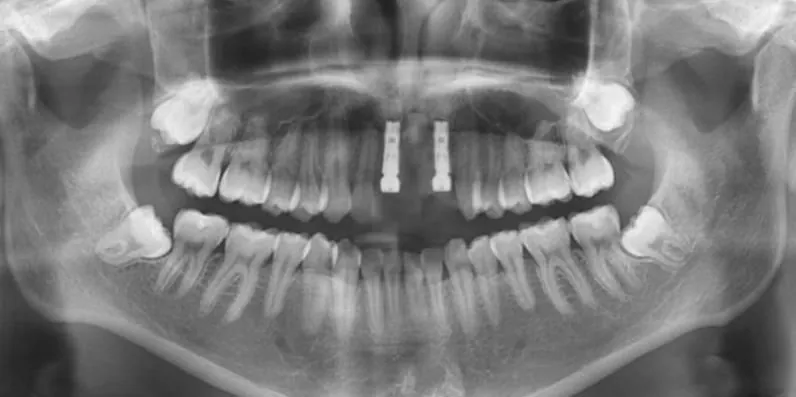
An implant at the front has to match a neighbour that is right beside it, in colour, in shape and in where the gum sits. It is the hardest aesthetic problem in dentistry and it takes months, during which you are not toothless.
How it is done here ONE Dental Clinic
The publisher is a registered patient facilitator, paid by clinics when a reader becomes a patient through its agency. How we make money
A back tooth has to chew. A front tooth has to chew and to be indistinguishable from the one next to it, under daylight, at conversational distance, for the rest of your life. The second requirement is why anterior implants are treated as a distinct discipline.
What is hard about it
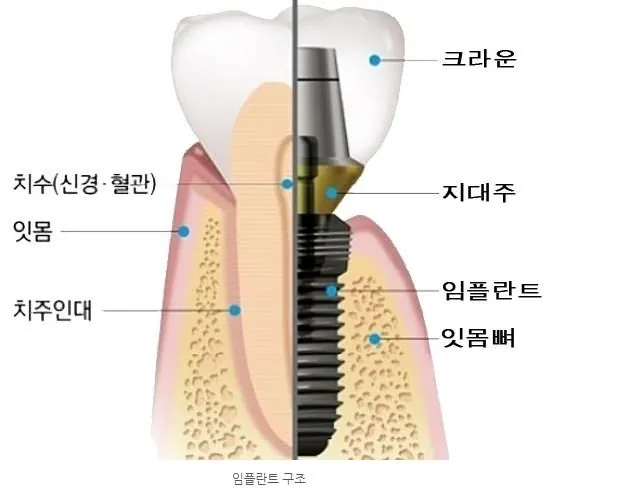
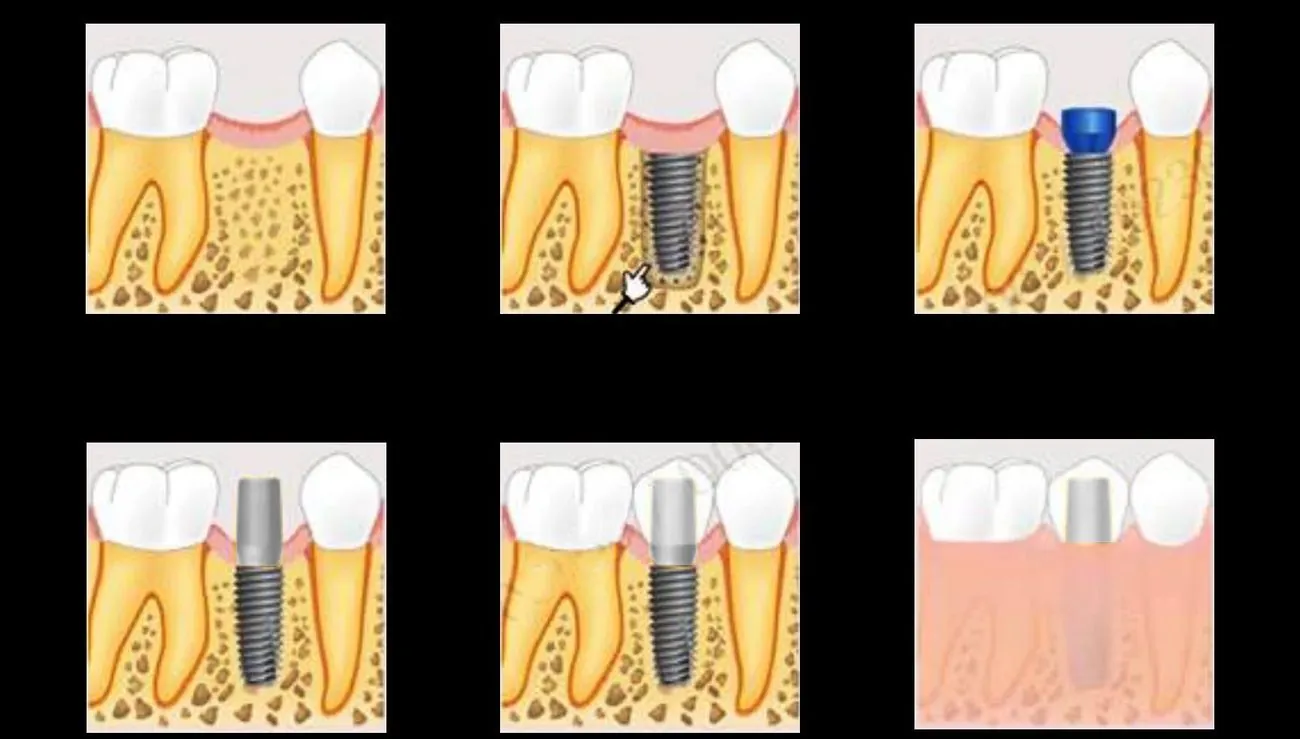
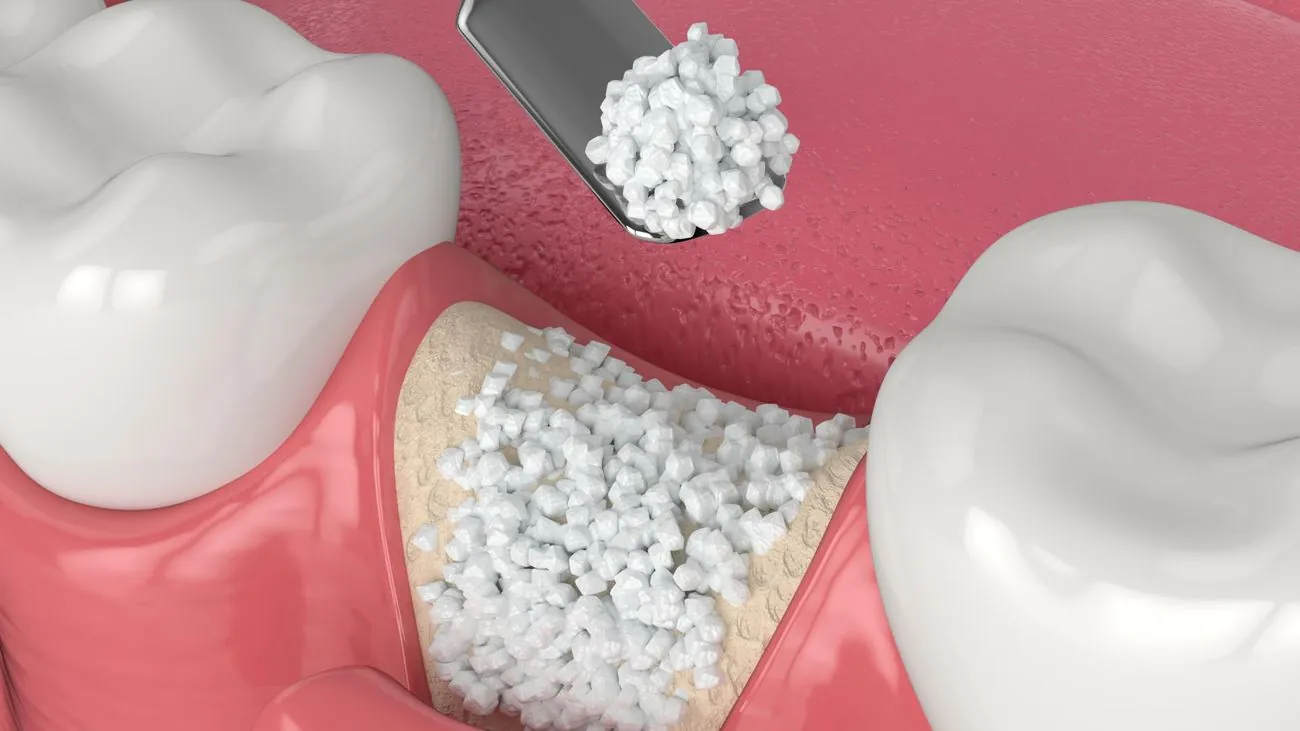
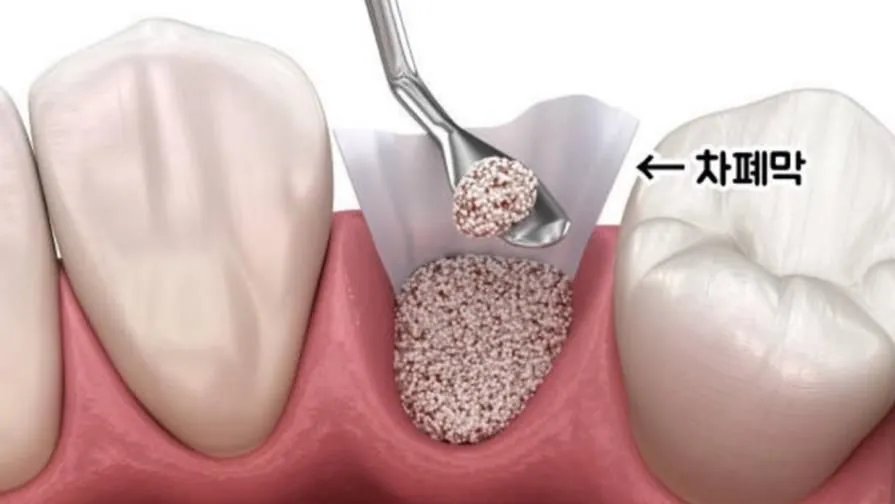
Three things have to line up. The crown has to match the neighbouring tooth’s colour and translucency, which is a laboratory problem. The gum has to sit at the same height as the gum on the other side, which is a surgical problem and is unforgiving. And the bone behind the gum has to be there to hold that gum up, which is often why a graft is needed before anything else happens.
The temporary
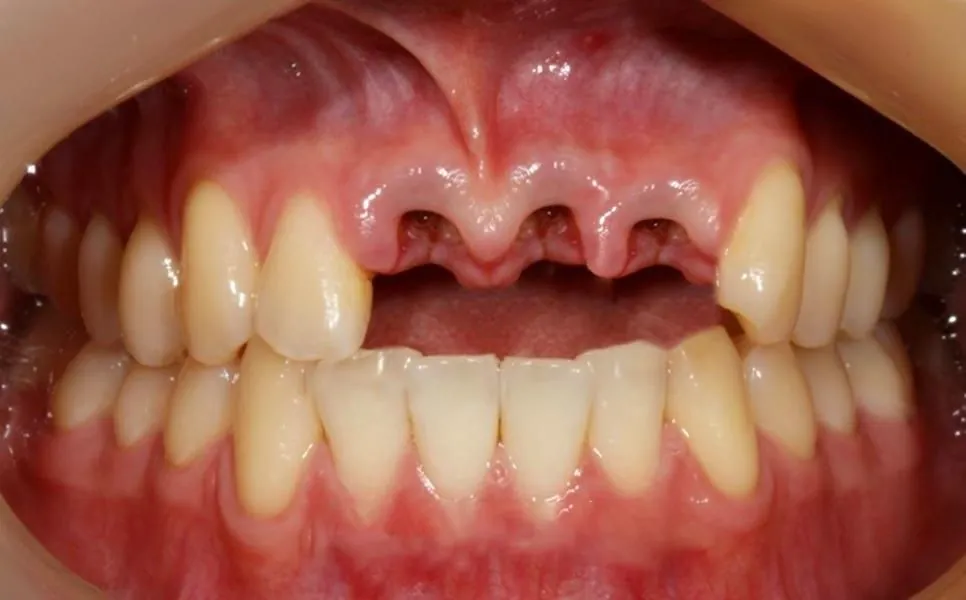
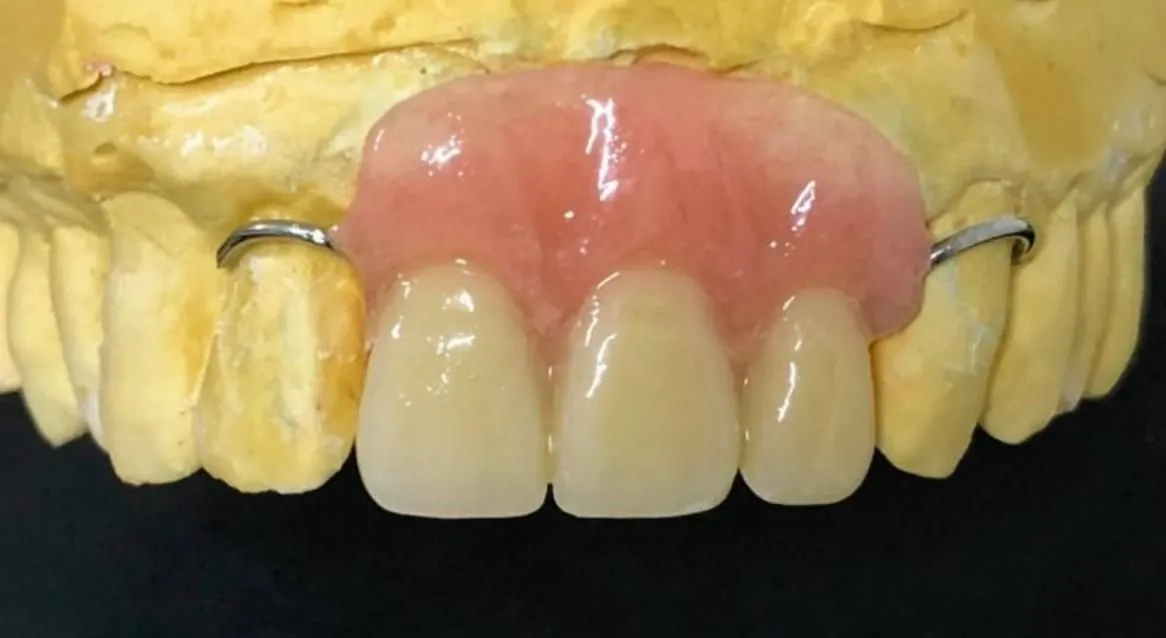
Nobody walks around with a gap at the front for the months a fixture takes to integrate. The clinic’s answer here is a removable temporary, called a flipper: a light plate carrying one or more teeth, held by clasps. It is not a chewing tooth and it is not meant to be; it is what makes the waiting socially possible. It has its own page on this site alongside flexible dentures.
- Hardest part
- The gum line, not the crown.
- Often needed first
- A bone graft, to support the gum.
- While waiting
- A removable temporary, a flipper.
- The temporary is
- Cosmetic and speech-related. Not for chewing.
- Judged by
- Comparison with the tooth beside it, in daylight.
Clinical photographs
This article is information, not medical advice, and reading it does not create a doctor-patient relationship. The Seoul Glow is a registered facilitator: we coordinate care, we do not practise medicine and we do not decide what treatment is right for you. No outcome can be guaranteed by anyone. Discuss any procedure with a licensed physician who has examined you.