Clinic record
ONE Dental Clinic
- Institution type Clinic
- Specialty Dentistry: implants, prosthetics, periodontics, endodontics, cosmetic dentistry
- Languages supported Korean. Ask about English and Japanese support before you travel.
A Korean dental clinic weighted towards implants, which states 69,377 fixtures placed as at November 2024. Six dentists, four implant systems, and an oral and maxillofacial surgeon on staff.
Last checked
The publisher is a registered patient facilitator, paid by clinics when a reader becomes a patient through its agency, possibly including this one. How we make money
Go direct to the clinic
Contact them yourself. We earn nothing from this and it is often the right thing to do.
The clinic's own websiteOr let our agency coordinate
Free to you. The clinic pays us a fee that Korean law caps, which is the conflict of interest you should weigh against the door on the left.
Get your free planONE Dental Clinic is a Korean dental clinic whose work is weighted heavily towards implants. The clinic states 22,729 patients treated and 69,377 implant fixtures placed as at 6 November 2024. Those are the clinic’s own cumulative figures with the clinic’s own cut-off date, reproduced here as stated; we have not audited them and no public register exists against which they could be audited.
What that volume means in practice is narrower than it sounds, and more useful. It means the clinic keeps four implant systems rather than one, grafts bone in four graded difficulties rather than turning away the harder ones, and lifts a maxillary sinus by either of the two accepted approaches. A clinic that places a few hundred fixtures a year does not need that range and generally does not carry it.
The dentists
Six dentists appear in the clinic’s current consultation material. Korean specialist titles are protected and awarded by the Ministry of Health and Welfare, so where one is claimed below it is a specific, checkable qualification rather than a description of what someone mostly does.
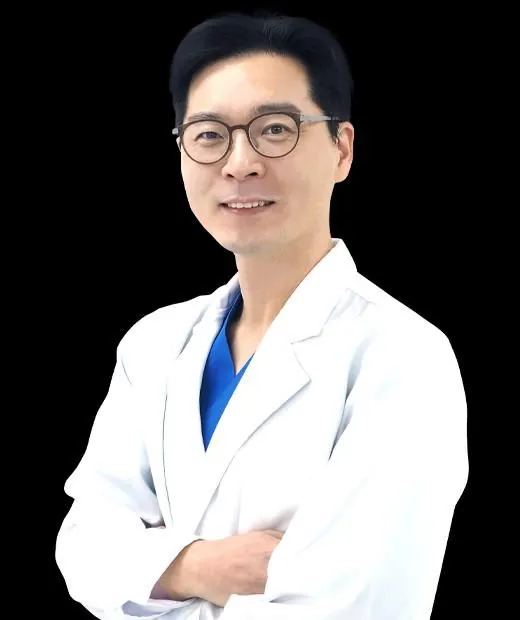
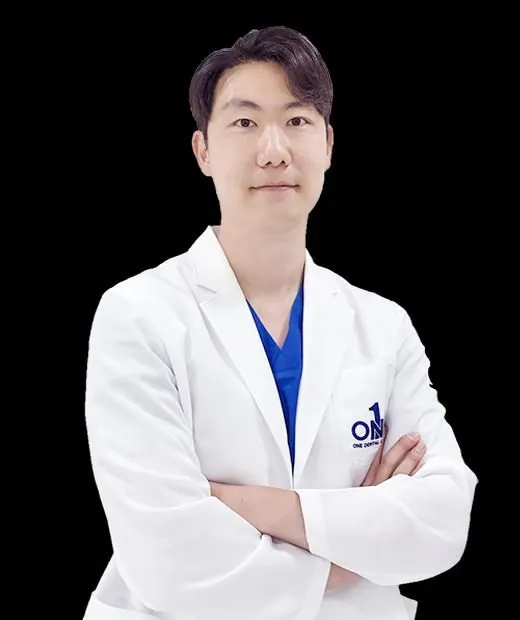
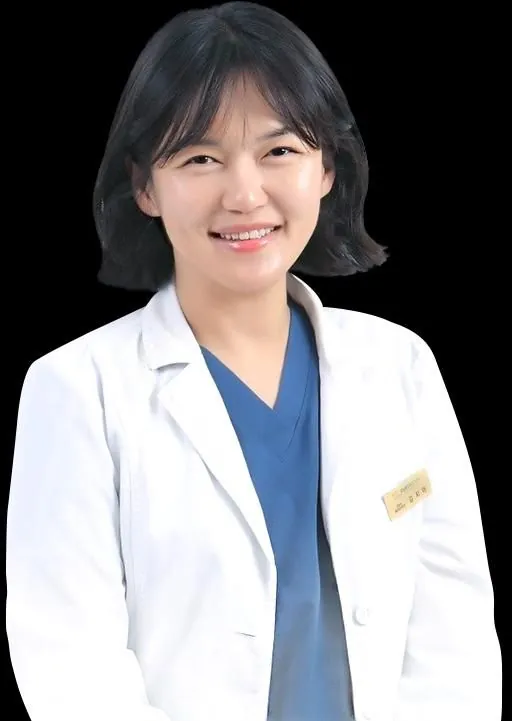
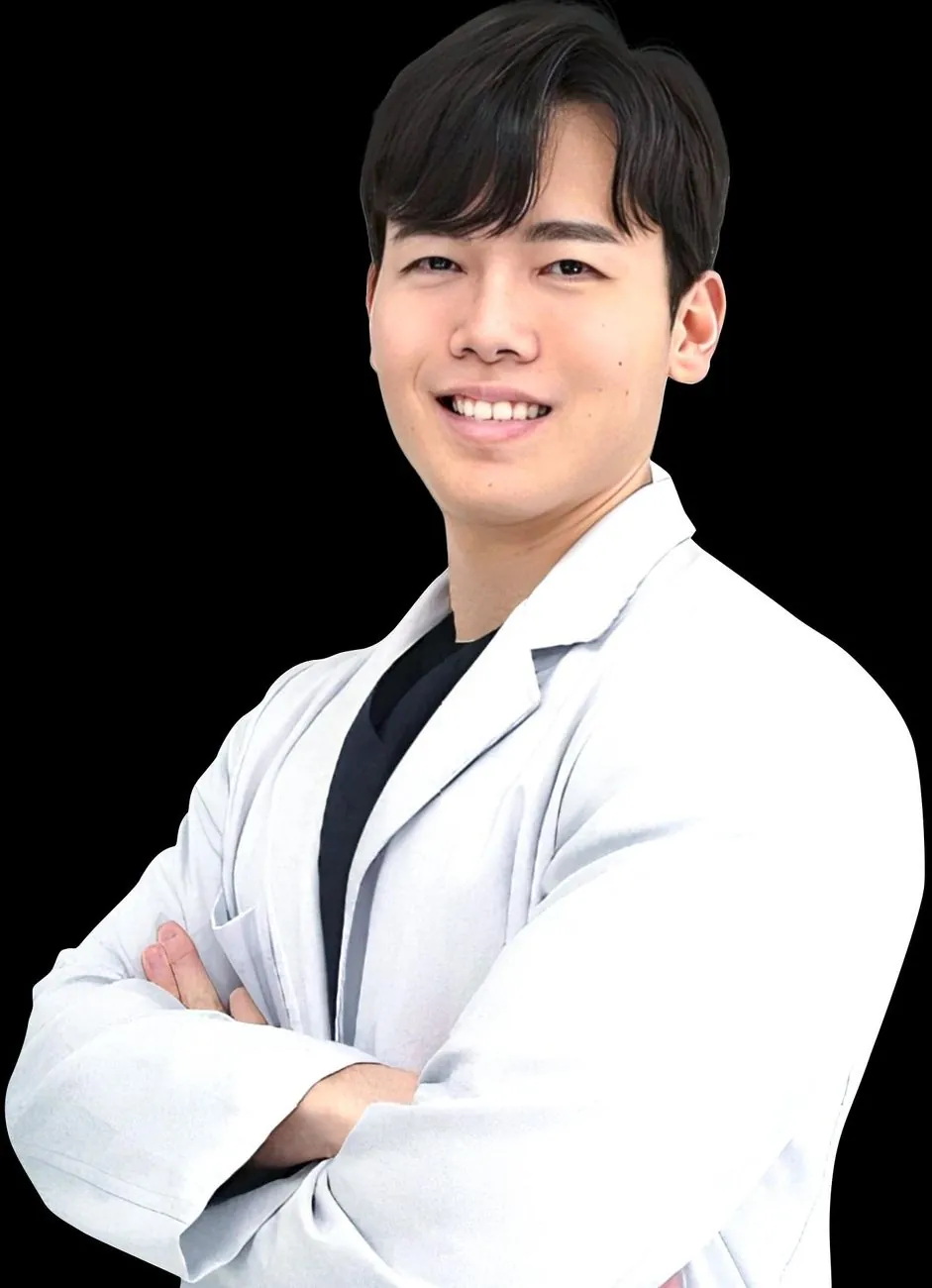


The two things worth noticing in that list are the surgeon and the newest graduate. An oral and maxillofacial surgeon on staff is what makes a titanium-mesh graft or a lateral-window sinus lift a normal Tuesday rather than a referral. And a dentist licensed in December 2024 is, in August 2026, in their second year: perfectly properly qualified, and not who you would choose for a case that needs a large graft. Ask which of the six is doing your surgery. It is a reasonable question and the answer should be immediate.
Rooms
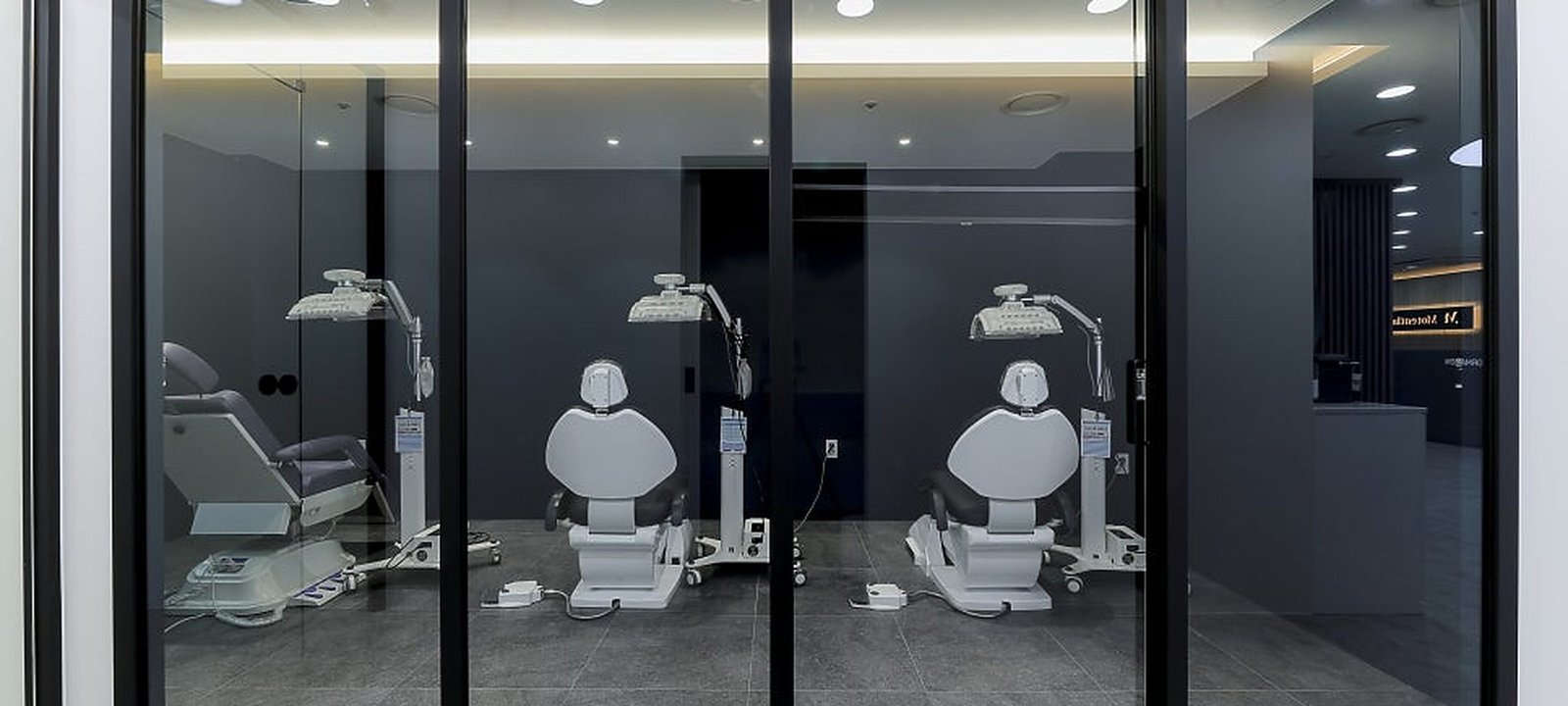
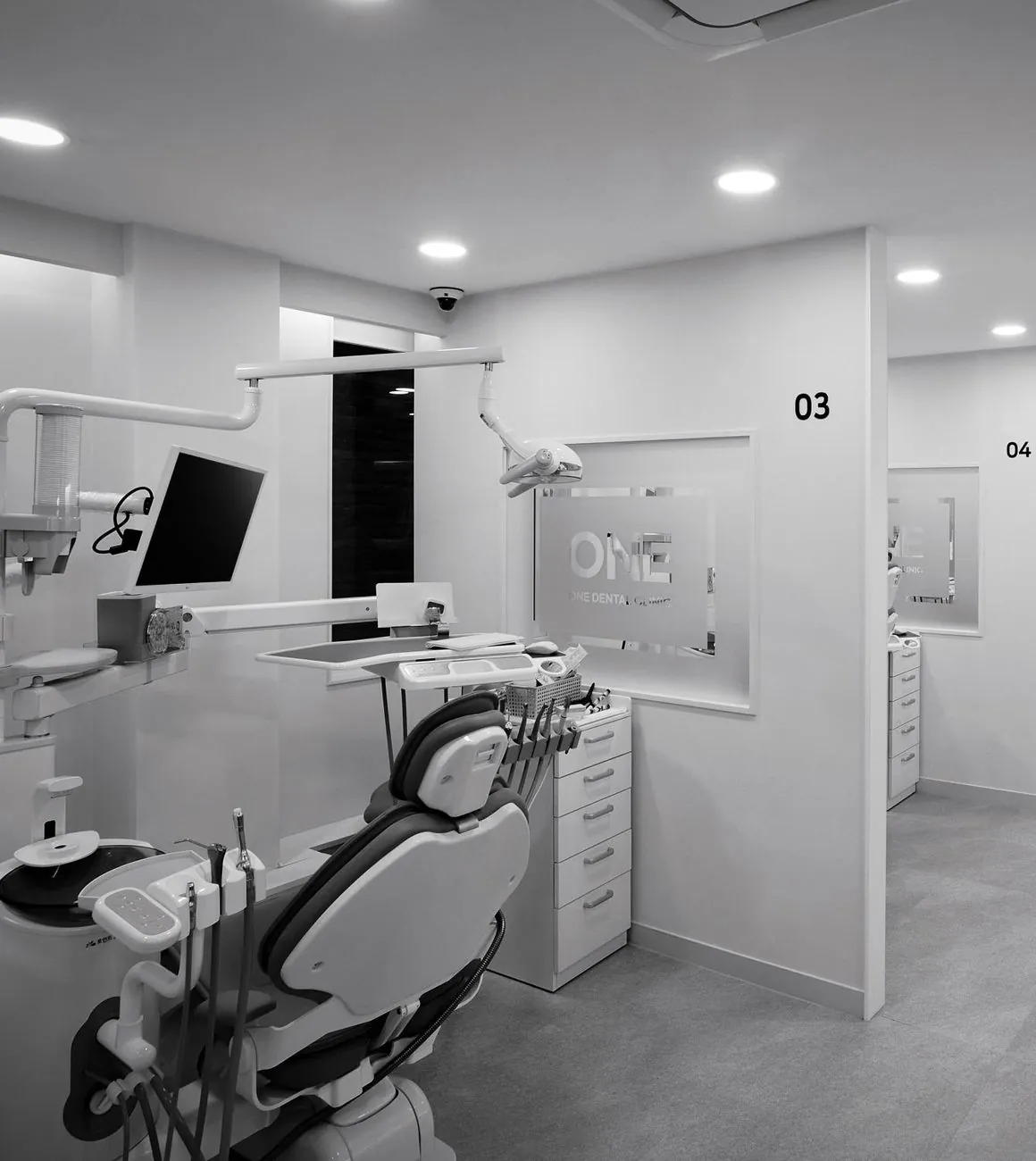 A treatment chair in an operatory at ONE Dental Clinic
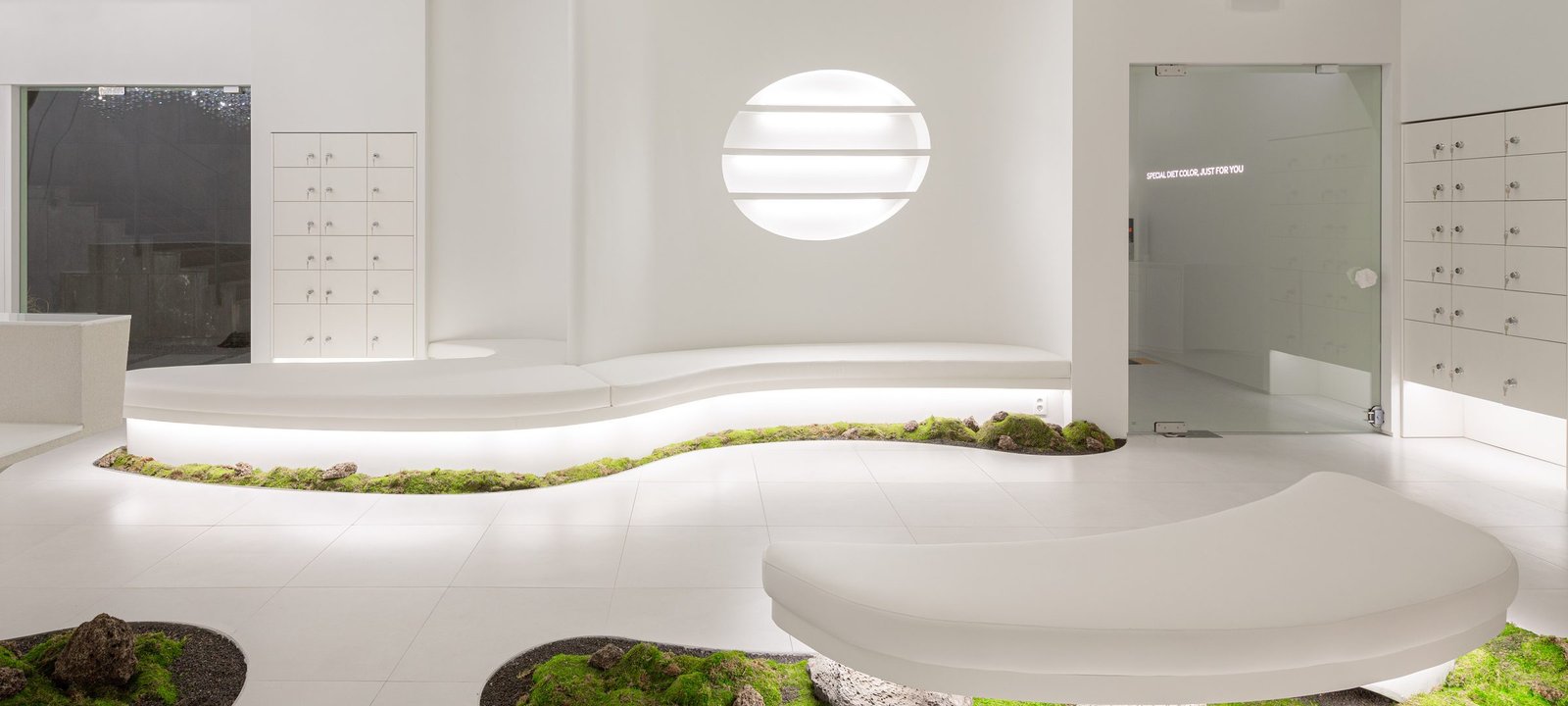
 Daylight through the window of a consulting room at ONE Dental Clinic
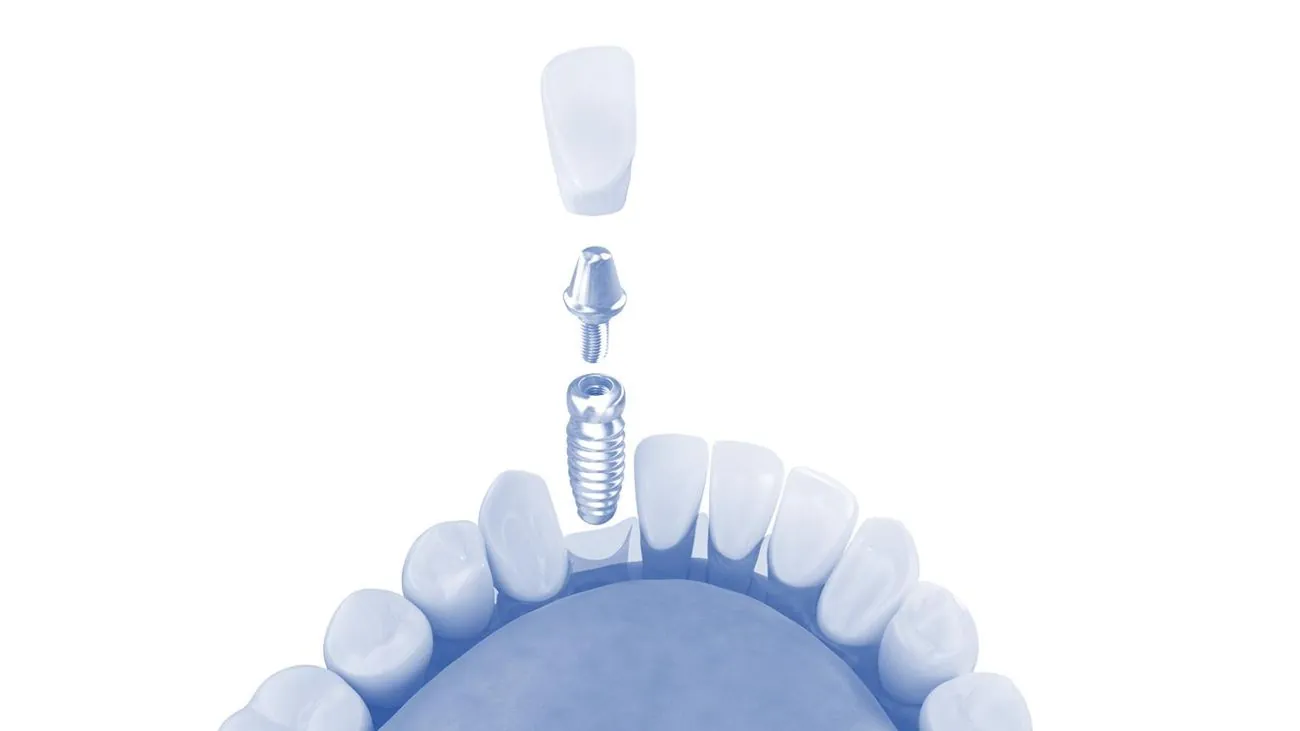
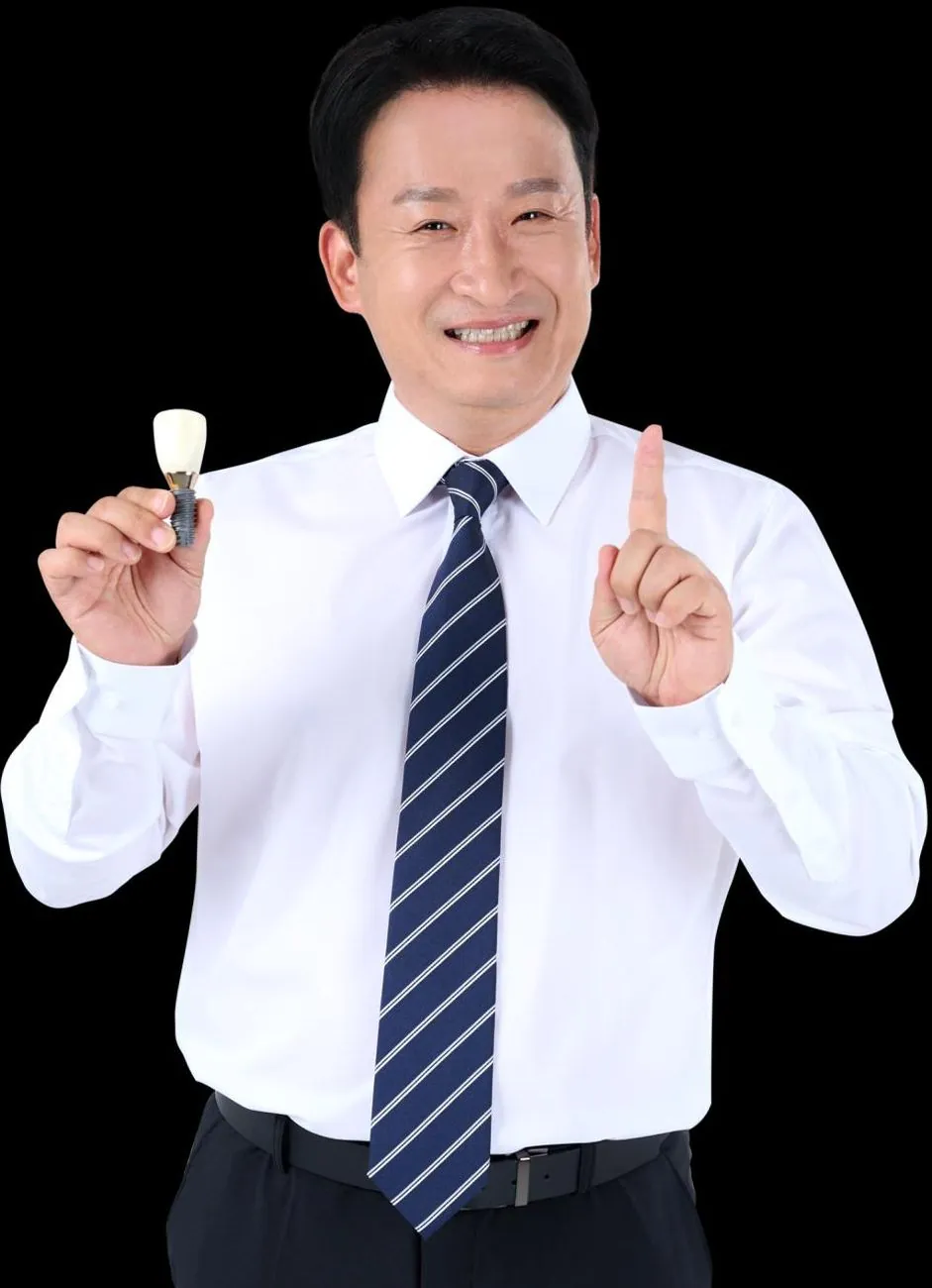 A dentist holding a single implant crown and abutment
What we have not verified
Licence numbers. The clinic publishes licence dates and specialist certification dates but not the numbers themselves, so the fields above are dates. Korean dental licences can be checked by name through the Korean Dental Association; if you want to check one, ask the clinic for the number and do it before you fly.
Treatments documented here
Each procedure has its own page, written with this clinic, where the method and the limits sit together. None of it is a recommendation to have the procedure.
Implants
A titanium fixture in the jaw, an abutment on top of it, and a crown on top of that. Everything below covers one of those three, or the bone that has to be there first.
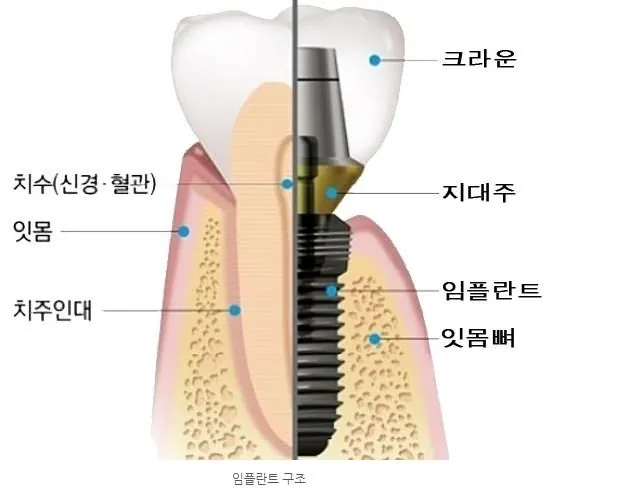 A dental implant is three separate objects, and almost every problem is with one of themThe fixture goes in the bone, the abutment comes through the gum, the crown sits on top. Quotes are given for "an implant" as though it were one thing, which is how the difference between a good one and a cheap one disappears.
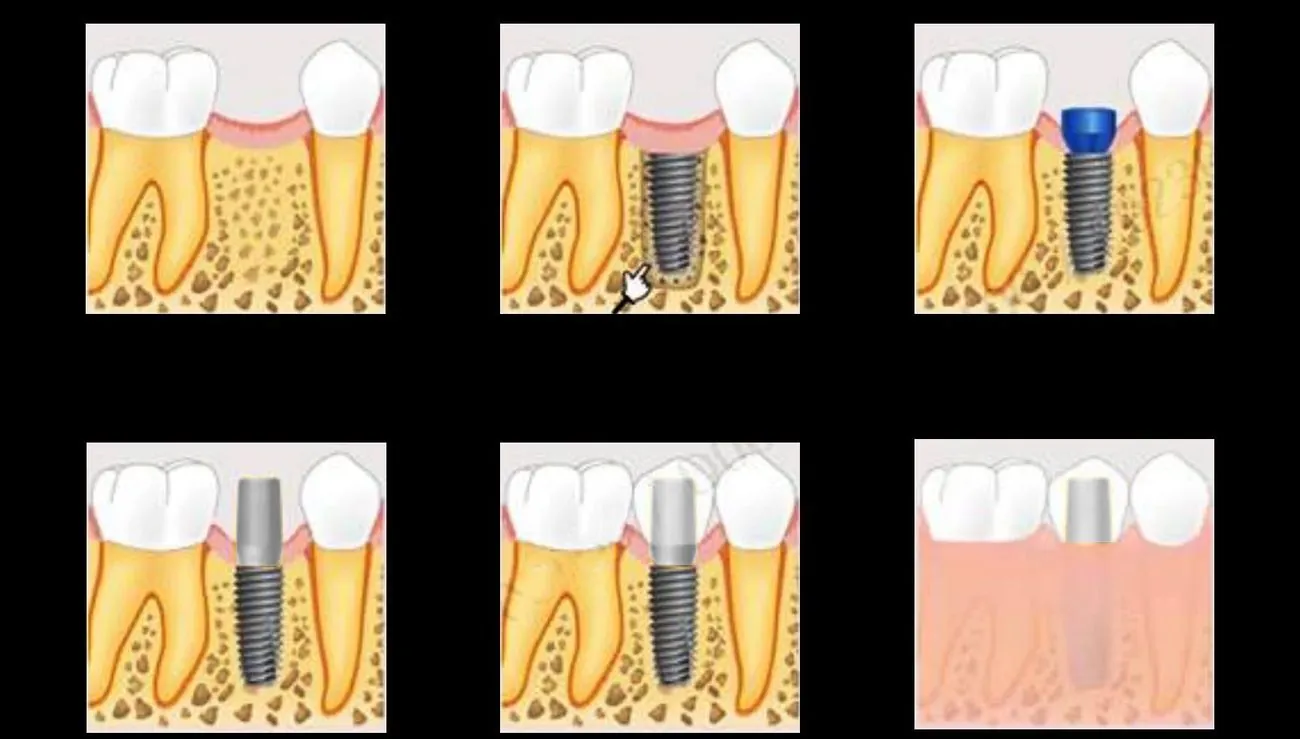 The six stages of an implant, and the months that sit between themTwo surgeries, a wait, and two fittings. The wait is the part that decides how many trips to Korea this takes, and it is the part quotes tend not to mention.
- Four implant systems, and what the word on the surface actually refers toSLA, BA, VUV, SOI. These are surface treatments, not quality grades, and the difference between them is a claim about how fast bone attaches, which is checkable.
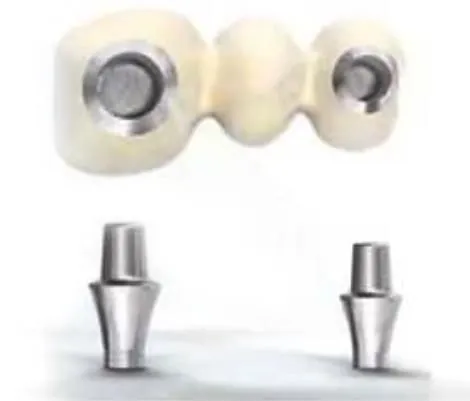 The abutment: the part that decides whether your gum stays quietStock abutments come in standard sizes. Custom ones are milled to your mouth. The difference shows up at the gum line, in food trapping, and in inflammation years later.
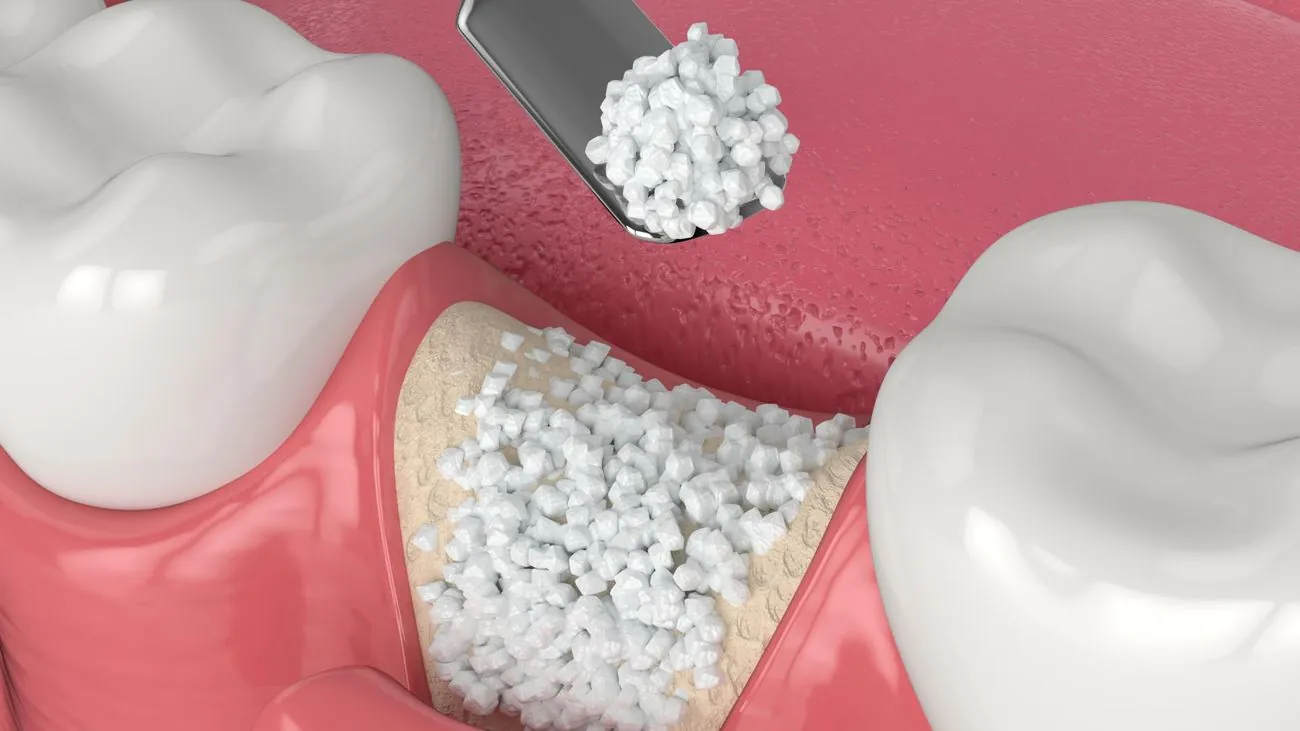 Bone graft in four grades, and why the grade is the number that mattersGBR runs from a spoonful of material around a fixture to a vertical rebuild held open by titanium mesh. The clinic grades it A to D, and the grade sets the difficulty, the volume, the healing time and the price.
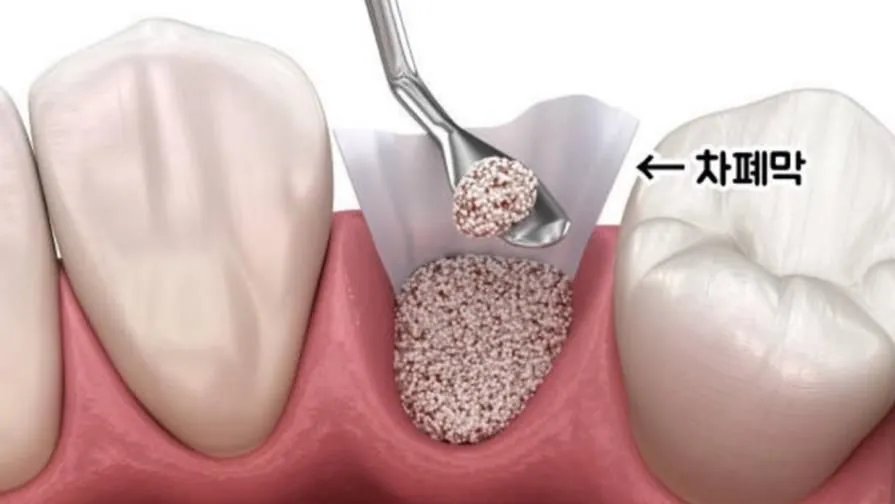 Membrane and titanium mesh: the two things that hold a graft stillGraft material is loose particles. Something has to keep it where it was put and keep gum tissue from growing into the space first. That something is a membrane, or in the hardest cases a titanium mesh.
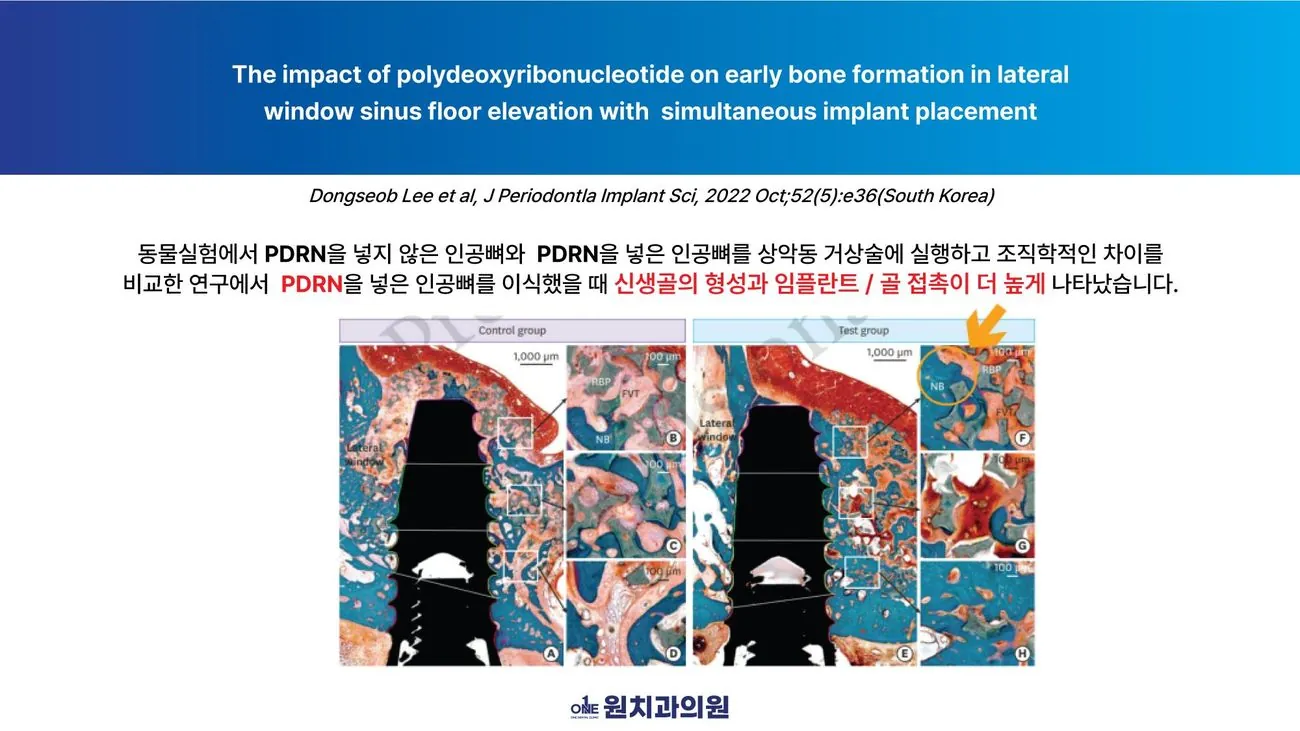
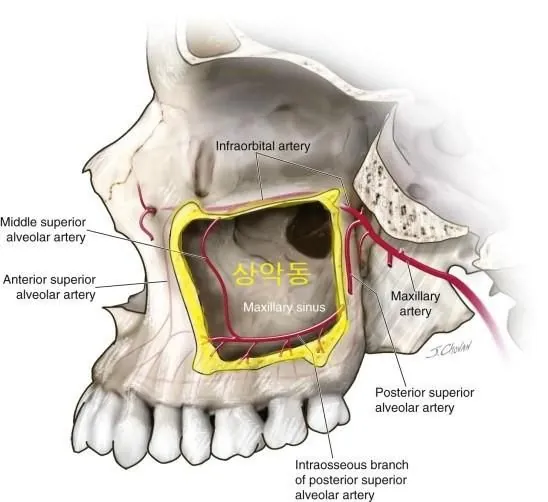 Sinus lift: what happens when there is an air cavity where your bone should beIn the upper back jaw the maxillary sinus sits directly above the roots, and when it drops there is no height to place into. Two approaches exist, one considerably harder than the other.
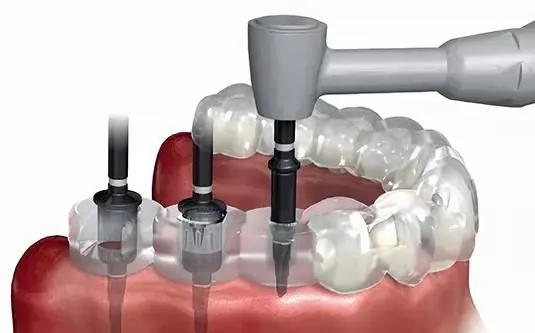 Guided implant surgery: a printed template, and a much smaller cutThe operation is simulated on a 3D scan first and a guide is printed to hold the drill on the planned path. The claim is a minimal incision instead of a laid-open flap, and the photographs make the difference obvious.
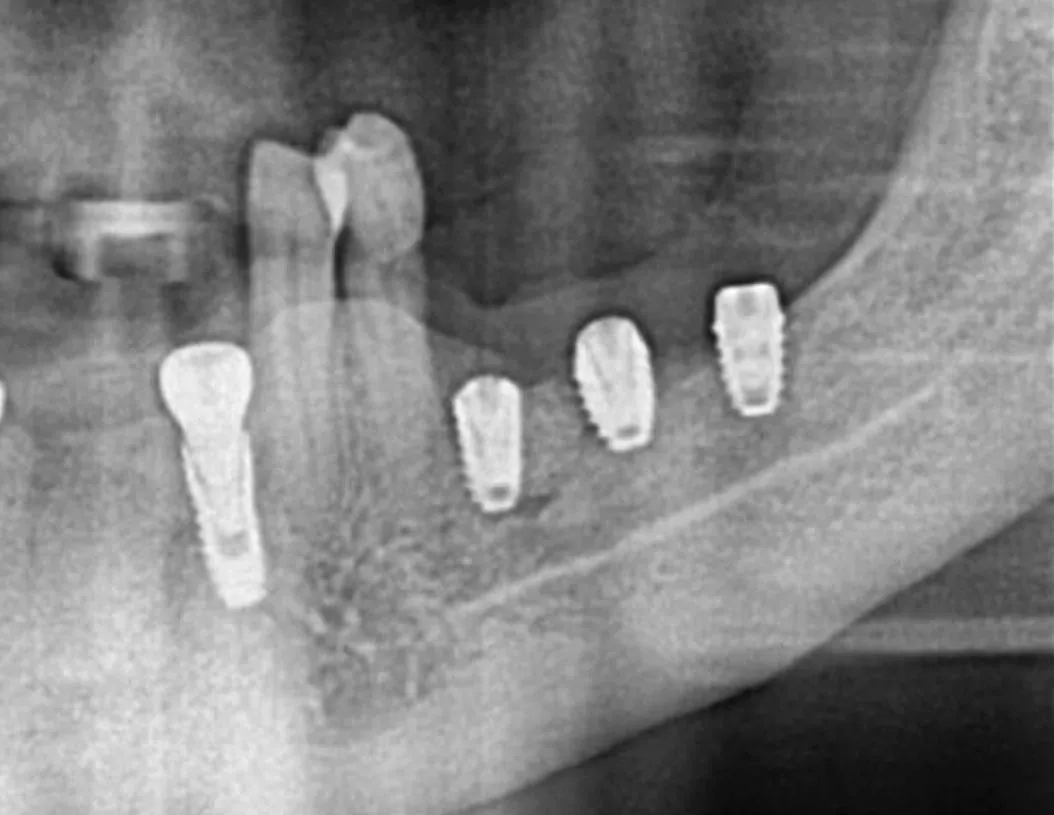 Short and mini implants: for the cases a standard fixture will not fitOne is shorter than standard, for where the nerve canal is close. The other is narrower, for where the ridge is thin. Both exist to avoid a bigger operation, and both have real trade-offs.
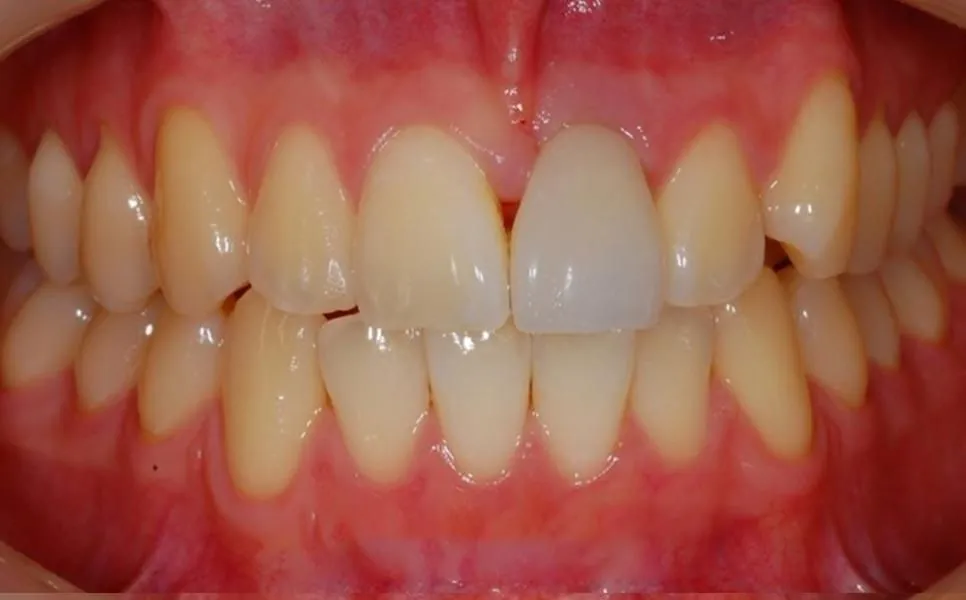 Front-tooth implants, and the tooth you wear in the months betweenAn implant at the front has to match a neighbour that is right beside it, in colour, in shape and in where the gum sits. It is the hardest aesthetic problem in dentistry and it takes months, during which you are not toothless.
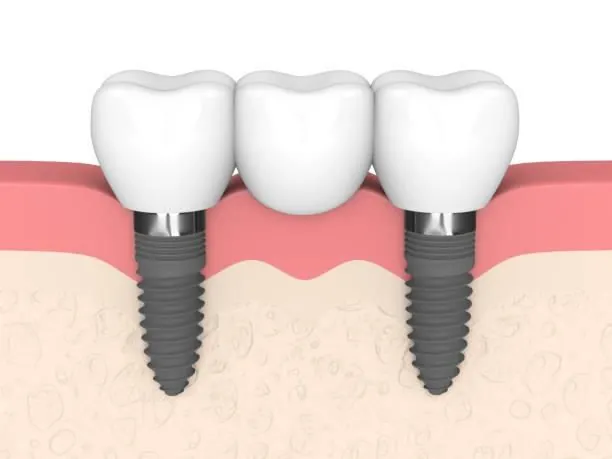 Implant bridges: three teeth on two fixtures, and when that is the right answerYou do not need one fixture per missing tooth. Two can carry three, with a suspended tooth between them. It costs less and it loads the two harder.
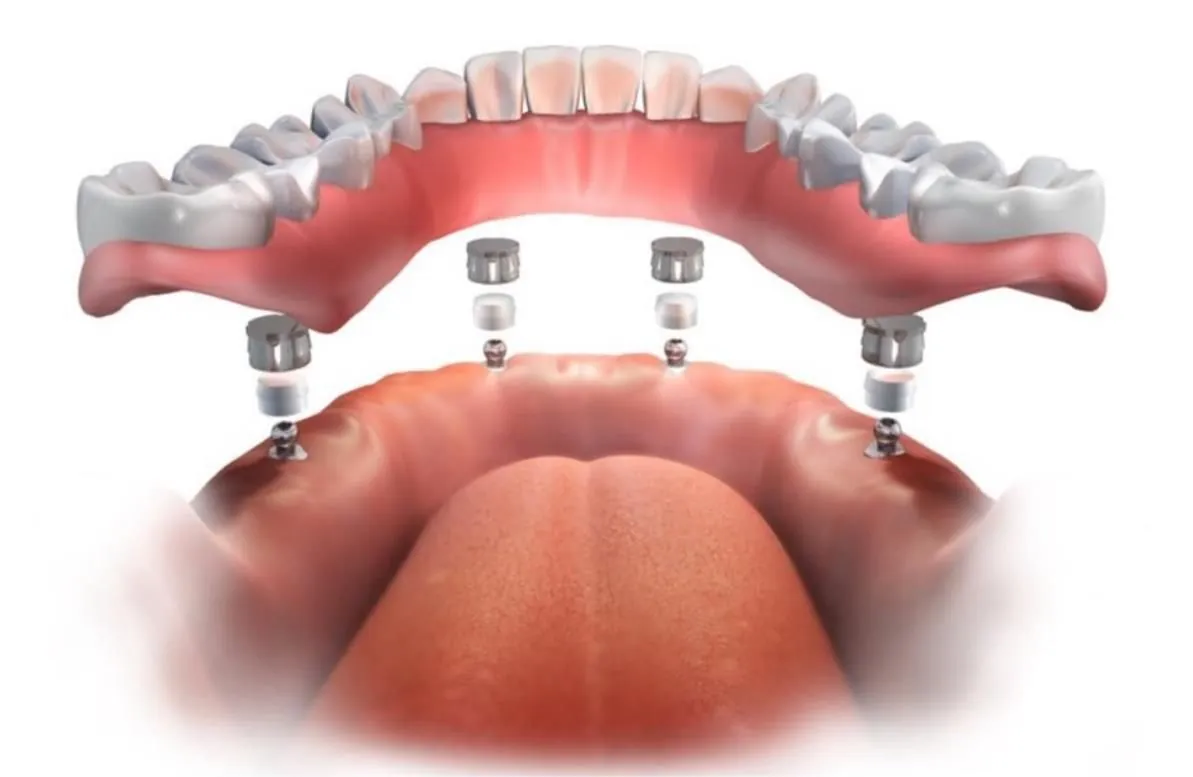 Overdenture: a denture that is held down by implantsTwo to four fixtures, an attachment on each, and a denture that clips onto them. It still comes out at night, and it stops moving when you eat.
Crowns, bridges and dentures
What replaces a missing tooth when an implant is not the answer, and what you wear in the months while an implant is healing.
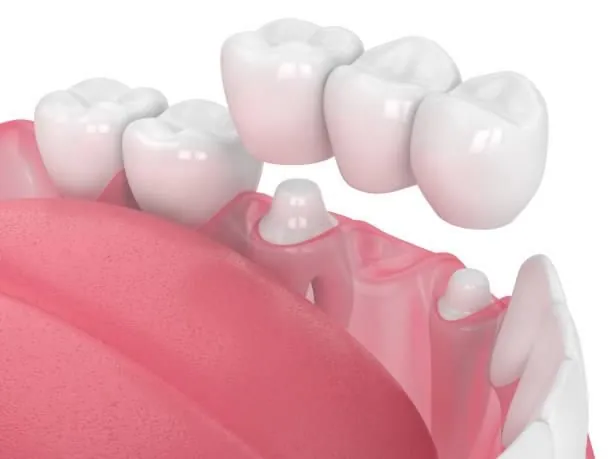 Bridges without implants, and the price the neighbouring teeth payA bridge fills a gap by grinding down the healthy teeth on either side and cementing a three-unit span onto them. It is quick, it is proven, and it costs you two teeth you still had.
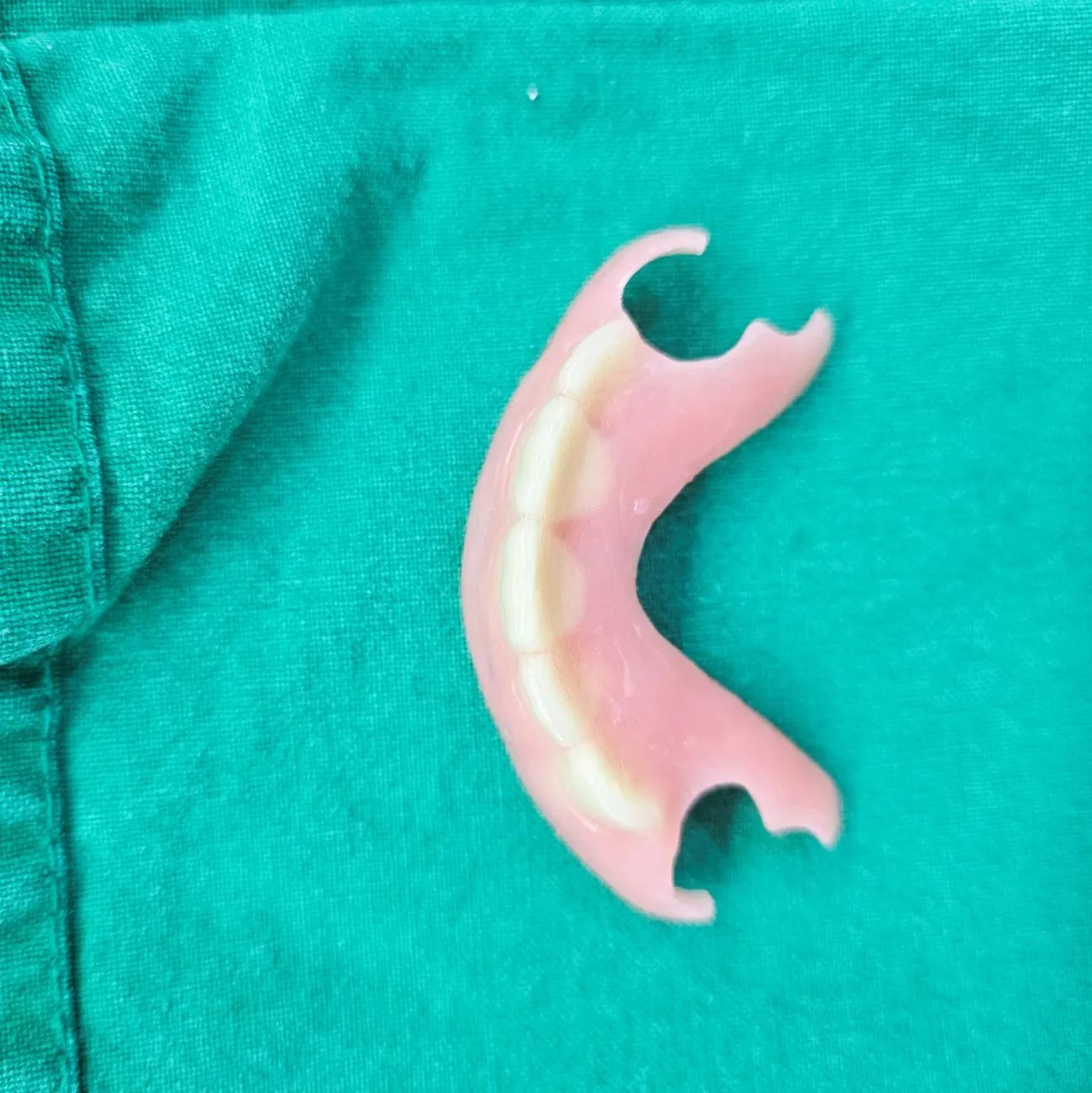 Temporary teeth: what you actually wear while an implant healsA flipper is a light plate with a tooth on it, held by a wire or resin clasp. A flexible denture bends. Neither is for chewing, and both are the difference between waiting comfortably and hiding.
Cosmetic dentistry
Work done on the front teeth for the way they look. Reversible in almost no case, which is why these pages spend as long on the limits as on the method.
Gums, nerves and roots
The treatments that decide whether the tooth you have can be kept. Nearly every implant on this site exists because one of these was left too late.
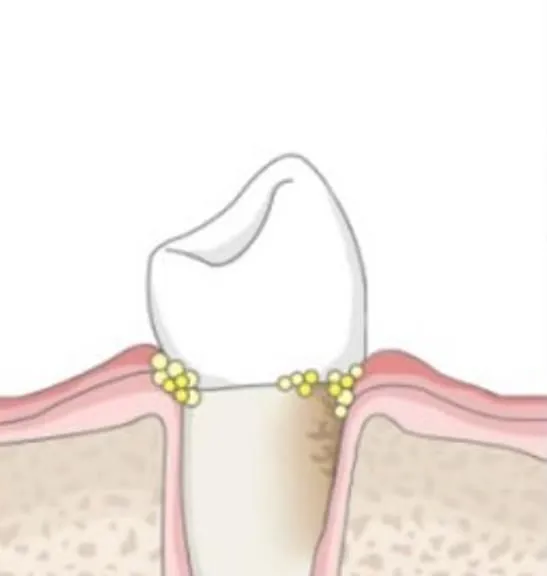 Gum disease: the reason most of the implants on this site existBacteria inflame the tissue holding the tooth, the inflammation eats bone, and the tooth is eventually lost. Almost every implant page here describes fixing damage this caused.
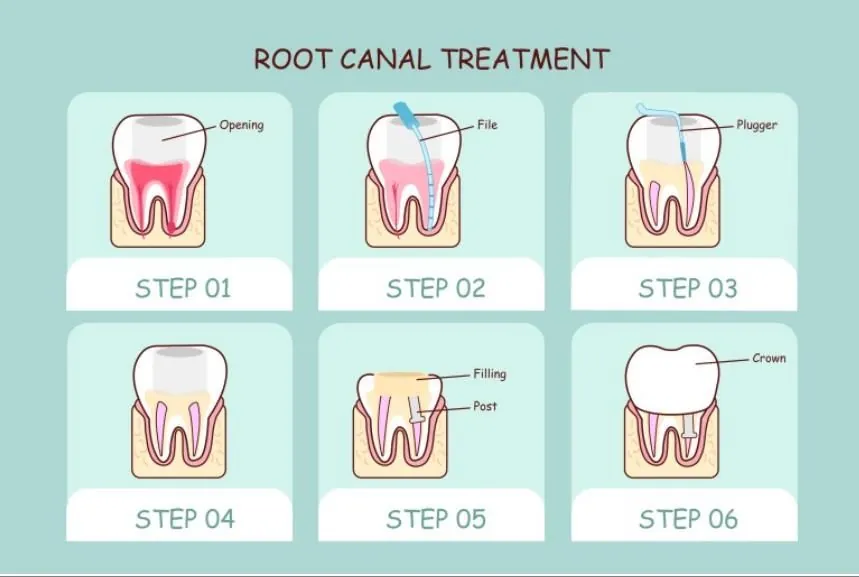 Root canal treatment, and the core that has to go in afterwardsThe nerve is removed, the canal is cleaned and sealed, and then the hollow tooth has to be rebuilt with something hard enough to be crowned. The second half is the part patients are not told about.
The record
Every line is something you can check against a public register or against material the clinic publishes under its own name. Where it is blank, the clinic does not publish it and we have not guessed.
- Opened
- the clinic does not publish this
- Doctors and licence numbers
-
Yoo Hyun-jin, director, licensed 2001-03-13
Song Byung-geun, implants, licensed 2020-02-20, Advanced General Dentistry specialist 2021-08-11
Kim Ji-a, implants, licensed 2012-03-06, Advanced General Dentistry specialist 2019-08-30
Kim Tae-hyung, implants, licensed 2018-03-06, Advanced General Dentistry specialist 2019-08-30
Oh Hye-min, oral and maxillofacial surgery, licensed 2018-03-06, OMFS specialist 2023-03-02
Lee Jin-young, general and prosthetic dentistry, licensed 2024-12-26 - Devices held
-
Osstem implant systems, including SOI and BA surfaces
DIO implant systems, including the VUV surface
Point implant, S.L.A. surface
Osstem MS mini implant
DIO VUV short implant
Ossbuilder titanium mesh
3D CT and digital intraoral scanning for guided surgery
3D printing for surgical guides
This article is information, not medical advice, and reading it does not create a doctor-patient relationship. The Seoul Glow is a registered facilitator: we coordinate care, we do not practise medicine and we do not decide what treatment is right for you. No outcome can be guaranteed by anyone. Discuss any procedure with a licensed physician who has examined you.